In Conversation with Ryan McCann
Before you became an artist, you were pursuing a career in football. How did you first find your way to making art, and was there a moment when it became something you knew you wanted to pursue seriously?
I became interested in art in 6th grade when I watched a classmate create a whole world on a piece of paper. I mean he could really draw and I knew I wanted whatever that was. From that point on I was always drawing and I was going to be an art major at UCLA until the football practice schedule thwarted my plans. Football took over my life, but when that journey ended with my arm in a sling, the first thing I did was start painting with my good arm and never stopped.
Photography came into your practice later. What made you want to pick up a camera?
I started to use the camera to create references for my paintings. Then I got a job photographing professional athletes on a blank template for a marketing company. We would setup in hotel ballrooms all over the country and get our shots with the 30 minutes we had with the talent. That job got me really familiar with the camera, lighting and the technical side of photography that opened up the possibility of exploring it as a medium for making art.
You continue to move between painting and photography. How does working in one medium affect the way you approach the other?
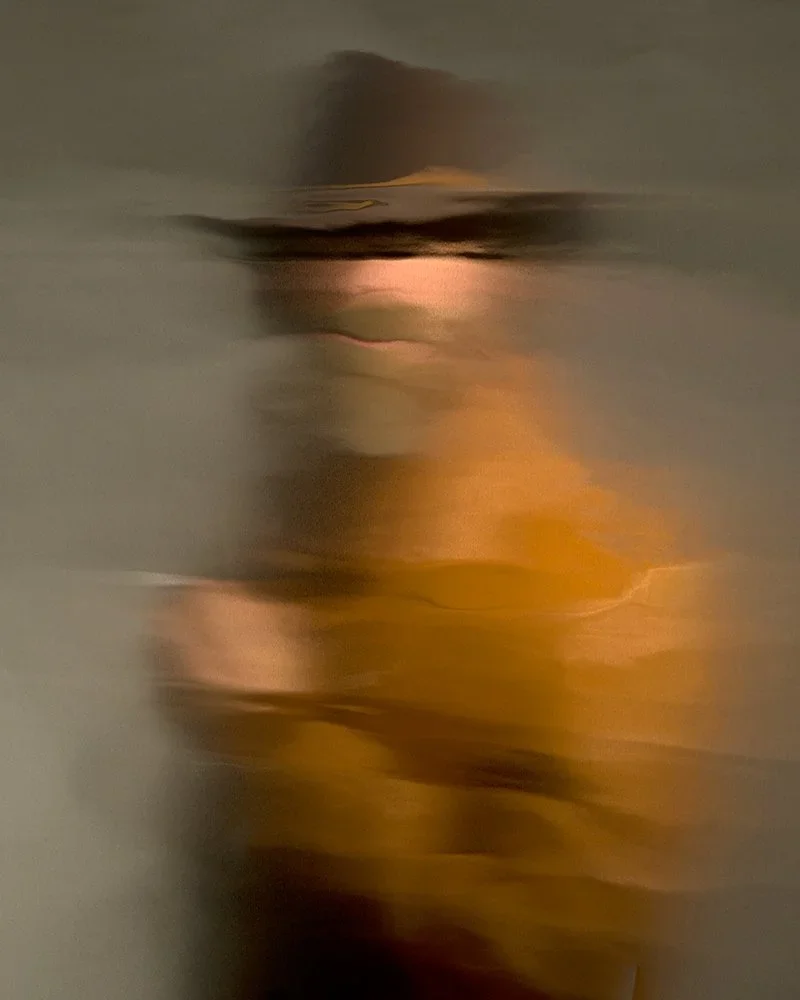
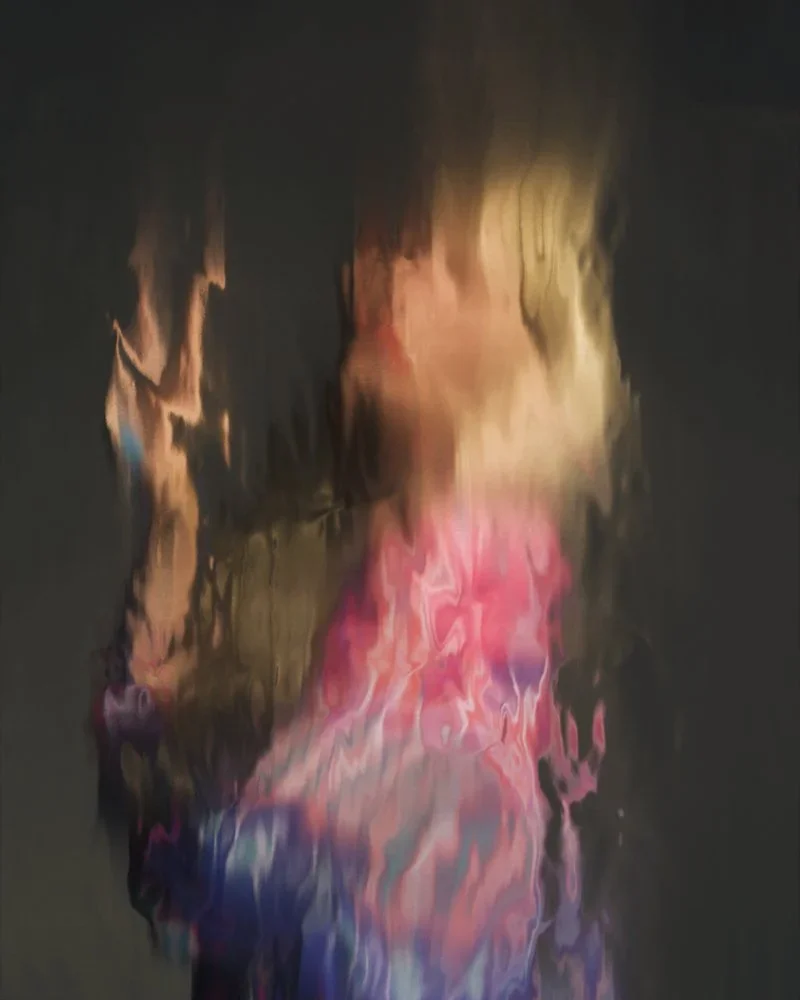
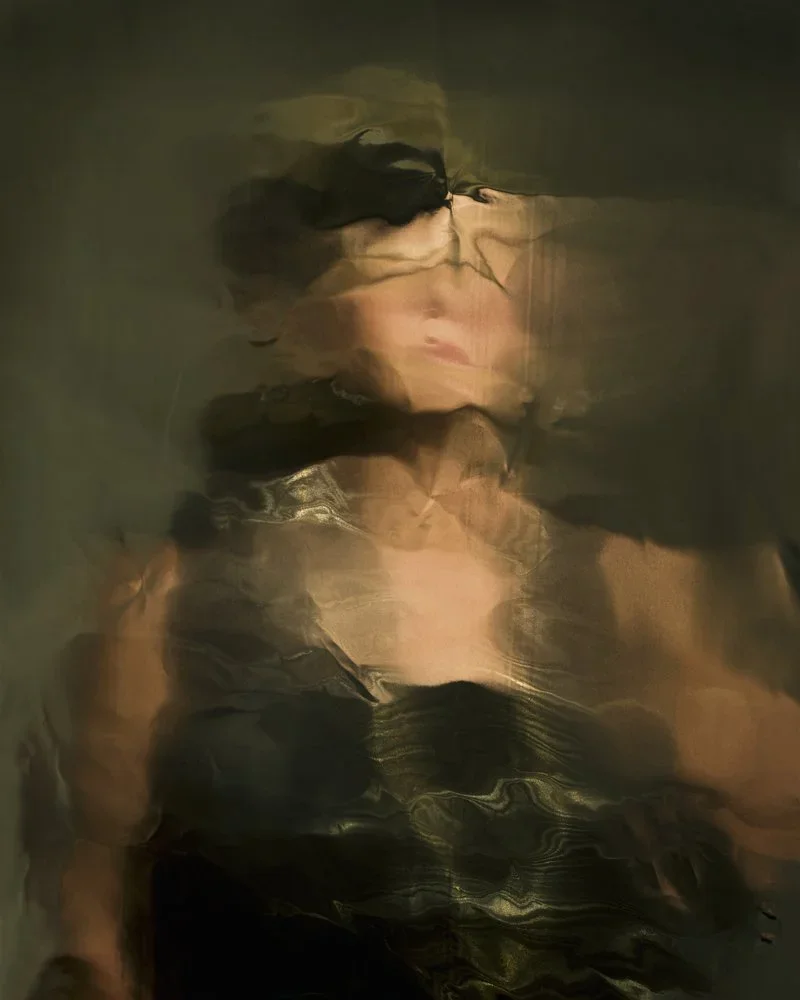
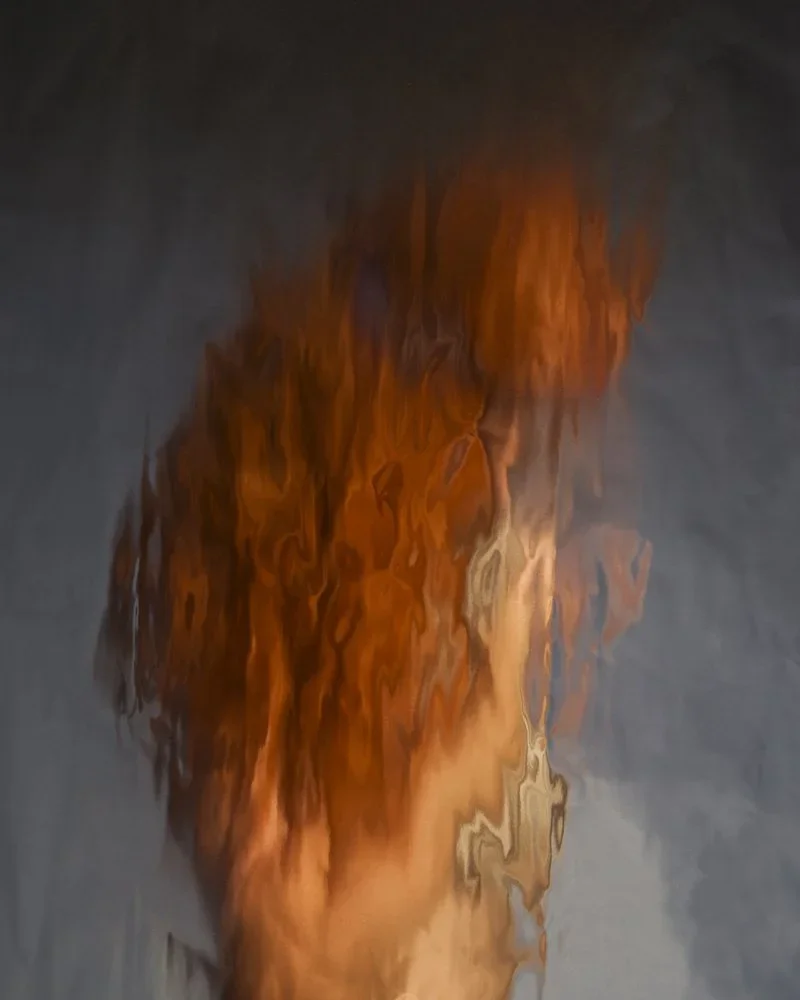
There was always this idea of visual obscurity I wanted to create with my paintings but struggled to imbue an energy into them. When I discovered the photo technique I use now, I originally tried to use it as a painting reference but it was still lacking. And it wasn’t until I fell into the rabbit hole of photo paper and printing techniques that I really understood what I had as a photograph. It’s one thing to see the image on a screen, but to see a 75 x 60 inch print on the correct paper printed professionally, it just blew my mind.
Your photographs are created in camera, without digital manipulation. Is it important to you that what the viewer sees actually existed in front of the lens?
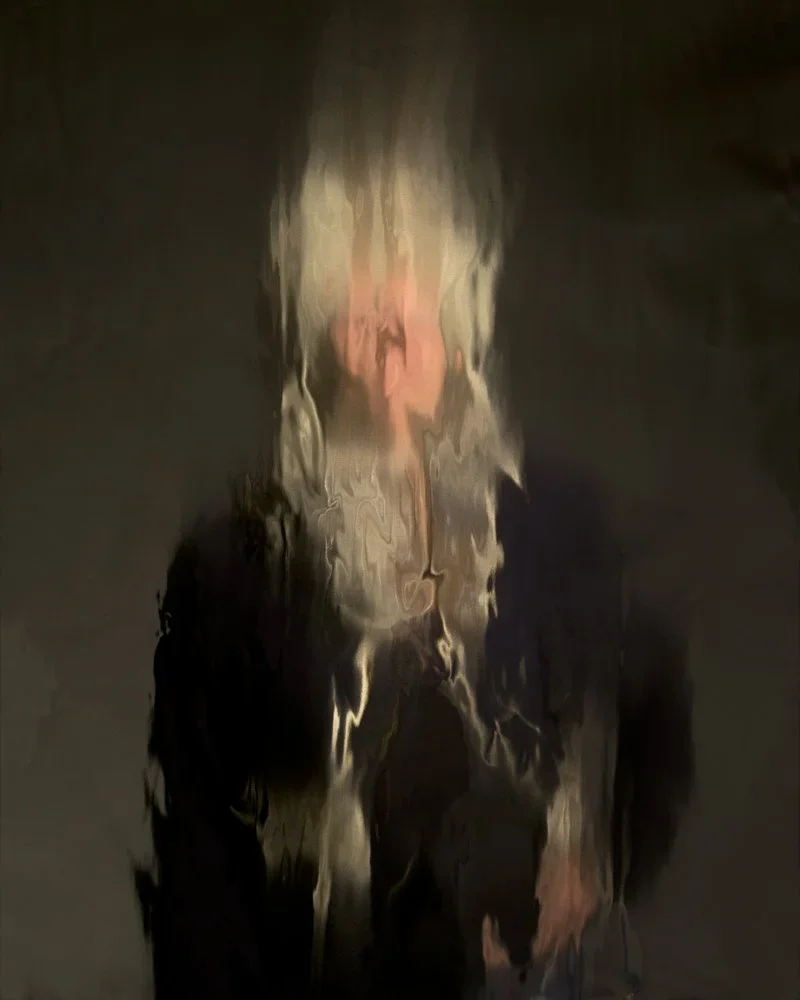
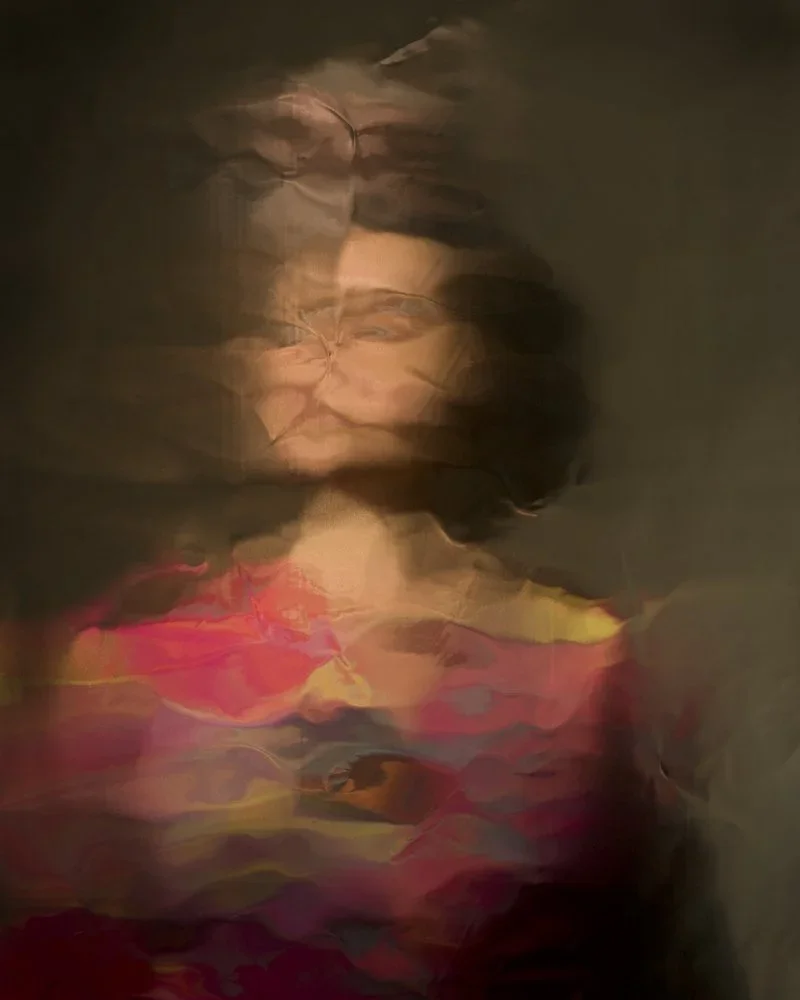
The only reason it is important is to verify to the viewer that the feeling they are receiving from the work is authentic. The subject was there, and existed in a way that conveyed an energy. The viewer should know that what they are experiencing is human and that the light and shadow in the photograph actually occurred in the room and was not manufactured artificially on a computer.
In many of your portraits, the subject’s identity is obscured or removed altogether. What interests you about withholding that sense of clear identity from the viewer?
Portraiture is tricky because it can become too specific. I am interested in withholding the specificity so the viewer can participate. I am more interested in conveying an energy that is tangible. There are clues to what I see in the titles but it is really up to the viewer to interpret the energy. My hope is that it is malleable and can evolve as the person lives with the work.
You don’t reveal how many of your photographs are created, leaving the process somewhat of a mystery to the viewer. What role does that mystery play in how you want the work to be experienced?
My experience is if the focus is on the creation of the work, that robs the viewer from just being present with the piece and letting it move them emotionally. When you start talking technique it moves it to the head and the heart gets left out.
You are also an actor. Has performing or being in front of the camera changed the way you think about creating an image from behind it?
The biggest thing I have learned as an actor is that giving your full presence will always translate on camera. If you are fully invested in the truth of the moment it will translate to the viewer. So, when I am behind the camera, my focus is on the talent and getting them to a place that is authentic to the moment.
Looking ahead, where do you see your practice going next? Are there new ideas, subjects, or directions you are excited about exploring?
Up to this point I have always controlled the environment shooting in a studio, but I am excited to move this process outdoors to see what can surprise me. If I am getting surprised, I know I am responding to what is happening and not forcing a preconceived agenda. That’s actually another concept I learned as an actor, if I get surprised in a scene, I know I was fully present and was reacting to the truth of the moment and not trying to force a predetermined idea of where I thought the scene should go. The truth is never wrong.