Brigitte Bardot Through the Lens of the Greats
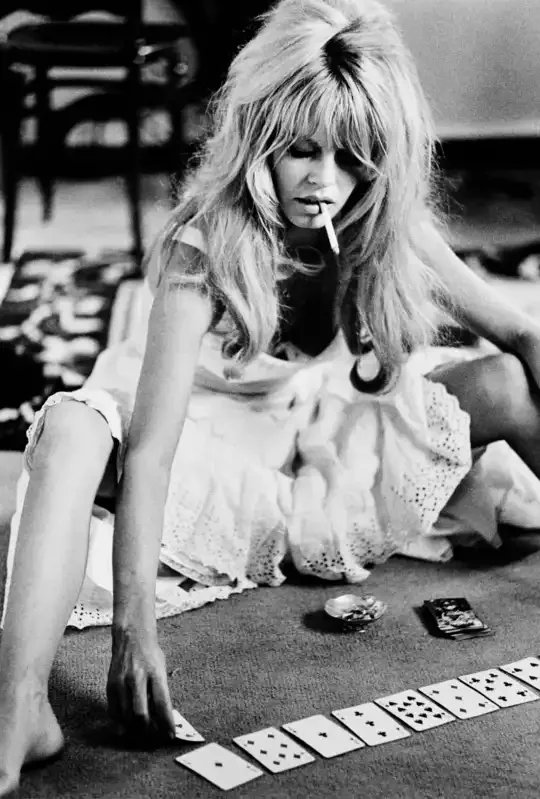
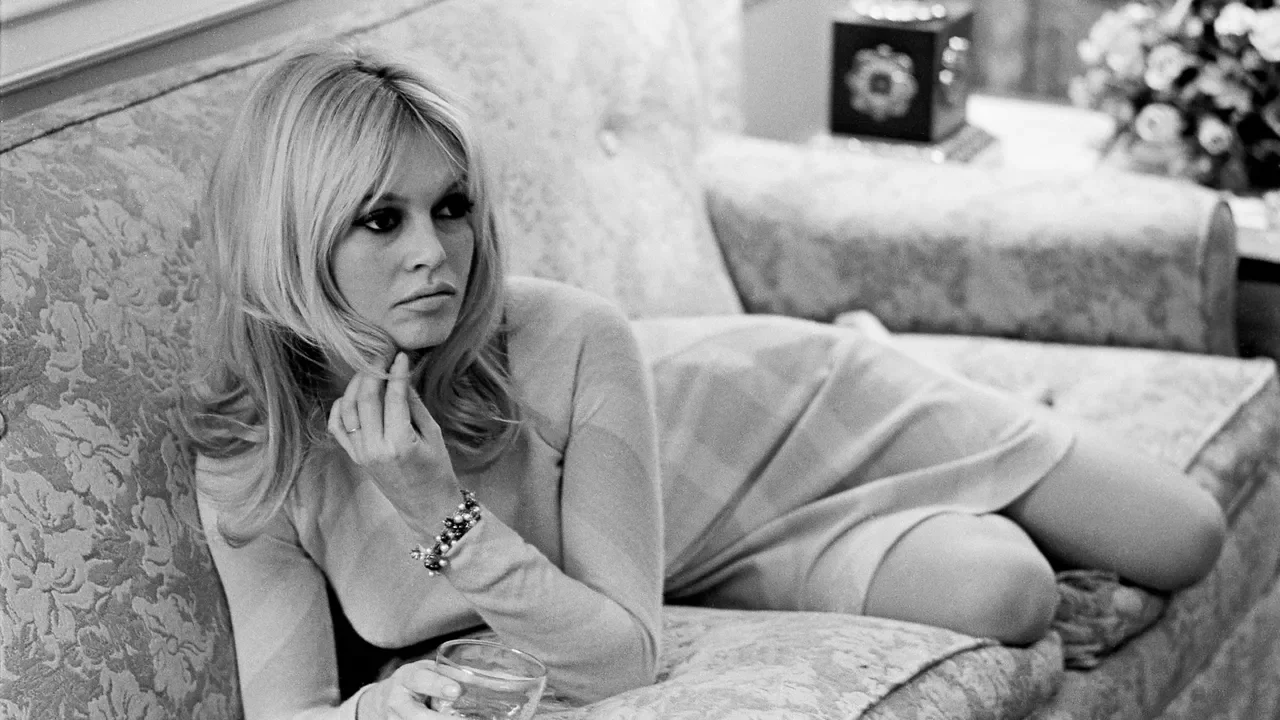
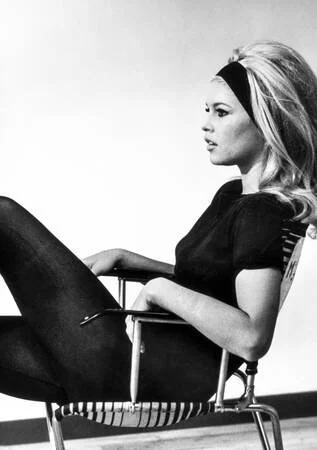
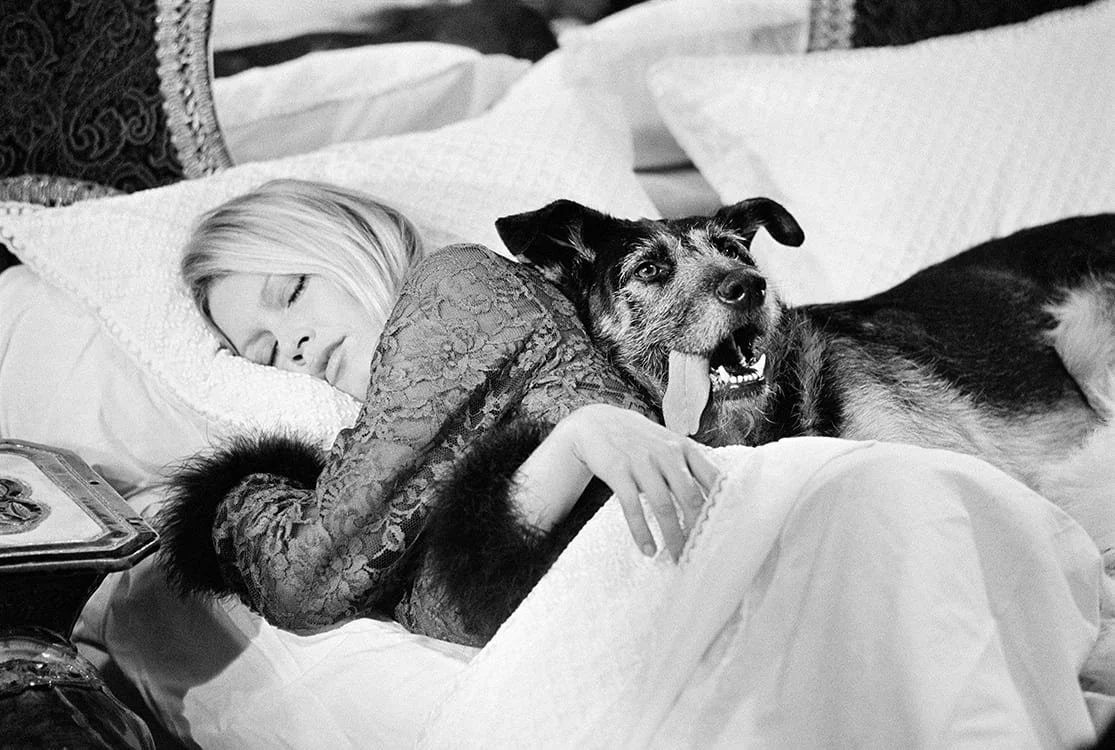
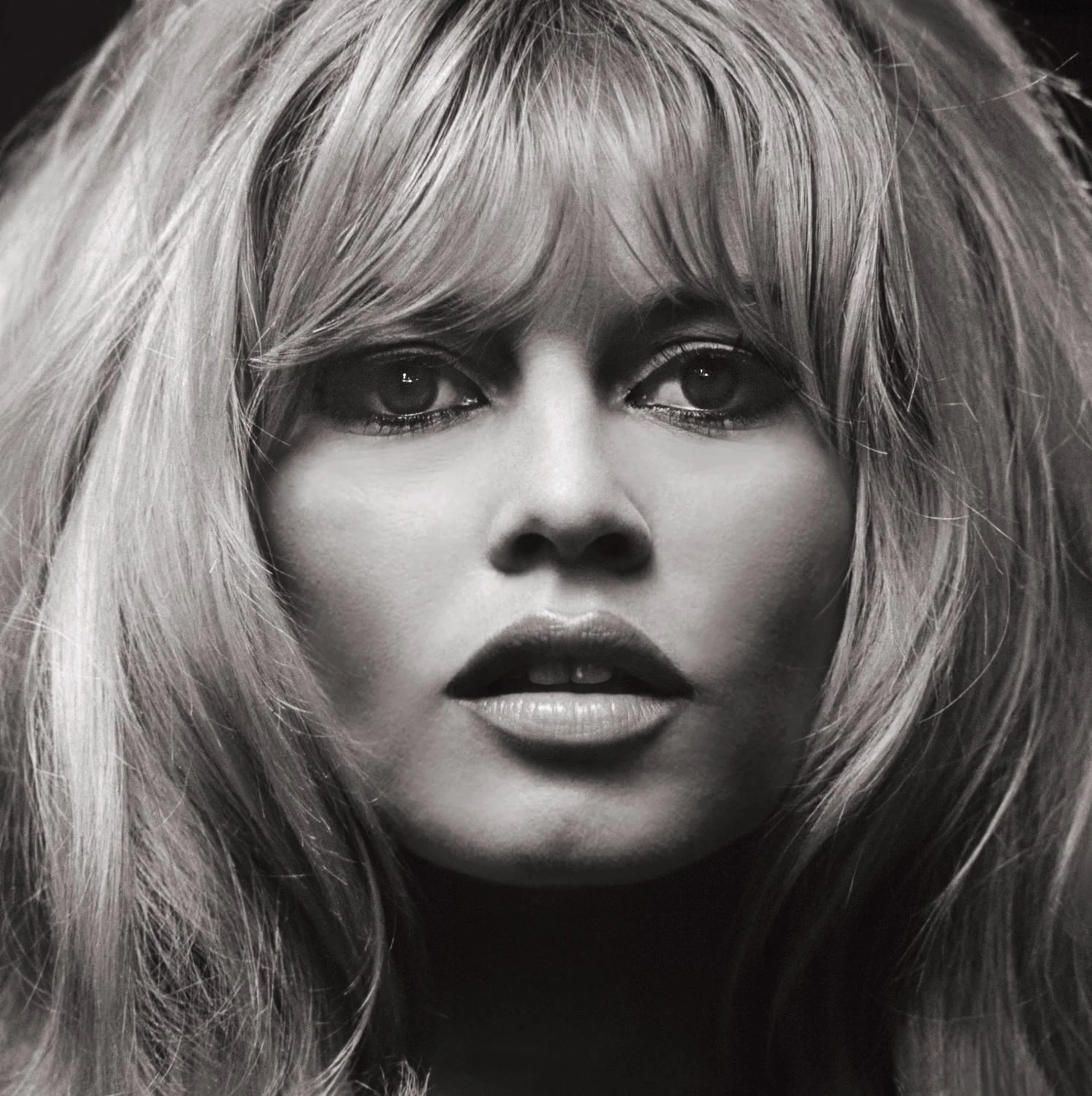
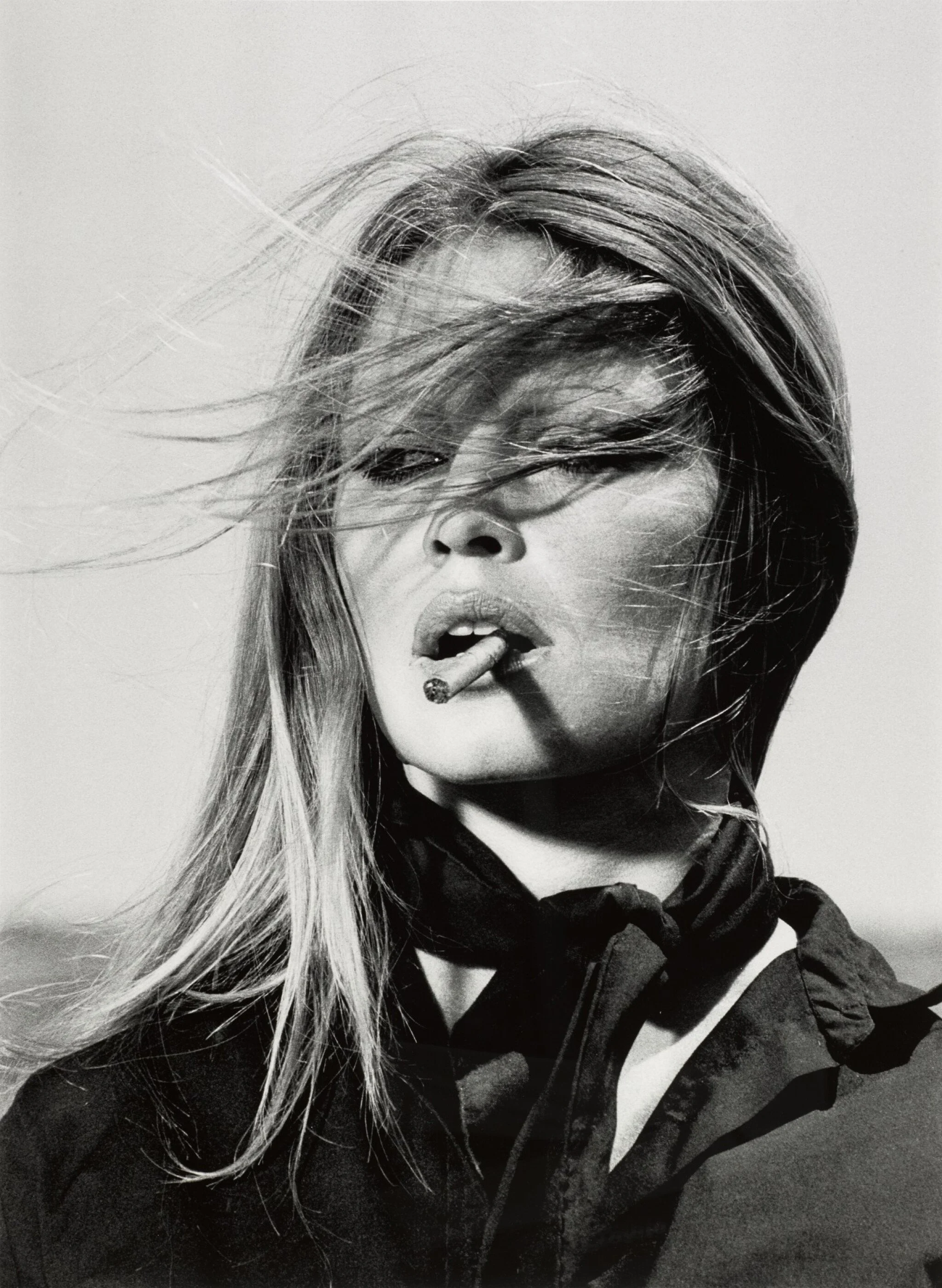
Emerging in postwar France, Brigitte Bardot redefined what it meant to be seen. Her beauty felt instinctive rather than styled, her sensuality unstudied, her presence impossible to choreograph. At a time when glamour was still carefully constructed, she appeared natural, even defiant in her ease. That tension made her magnetic, and it drew the most influential photographers of the twentieth century to her again and again, each attempting to capture something fleeting, something just out of reach.
Early portraits by Sam Lévin reveal her at the threshold of fame. His images are luminous and restrained, favoring simplicity over spectacle. Bardot appears relaxed, almost conversational, her beauty softened by an intimacy that feels unforced. These photographs introduce her not as an icon, but as a woman on the brink of becoming one, her magnetism already present, though not yet mythologized.
With Richard Avedon, the atmosphere shifts. Avedon was never interested in surface alone, and his portraits of Bardot reflect his fascination with presence and psychology. There is clarity in these images, and with it, tension. Bardot meets the camera with awareness, even challenge. Glamour gives way to something more complex, a negotiation between image and identity. In Avedon’s hands, she is no longer just an object of desire, but a woman fully conscious of her power.
A quieter, more introspective Bardot emerges through the lens of Douglas Kirkland. His photographs feel suspended in time, capturing moments of stillness and reflection. There is a gentleness to his approach that allows vulnerability without sentimentality. These images hint at the emotional weight of visibility, offering a rare sense of privacy within public life.
By contrast, Terry O'Neill embraced spontaneity. His candid images place Bardot firmly within the cultural rhythm of the 1960s. Laughing, moving, mid-gesture, she feels immediate and alive. O’Neill resists reverence, favoring vitality instead. Bardot’s allure here lies in her presence, not her pose.
Later portraits by Helmut Newton reflect a woman who had stepped beyond cinema and into legend. Newton’s aesthetic is deliberate and controlled, mirroring Bardot’s evolution. Innocence gives way to authority. She no longer reacts to the gaze. She commands it. These images feel modern in their confidence, presenting Bardot not as a muse, but as a force.
Together, these photographs form a visual biography richer than any single narrative could offer. Each photographer captured a different truth, shaped by their own sensibility and the moment in which the shutter clicked. What remains consistent is Bardot’s refusal to be fixed.