Cristina Mittermeier: Photography with Purpose
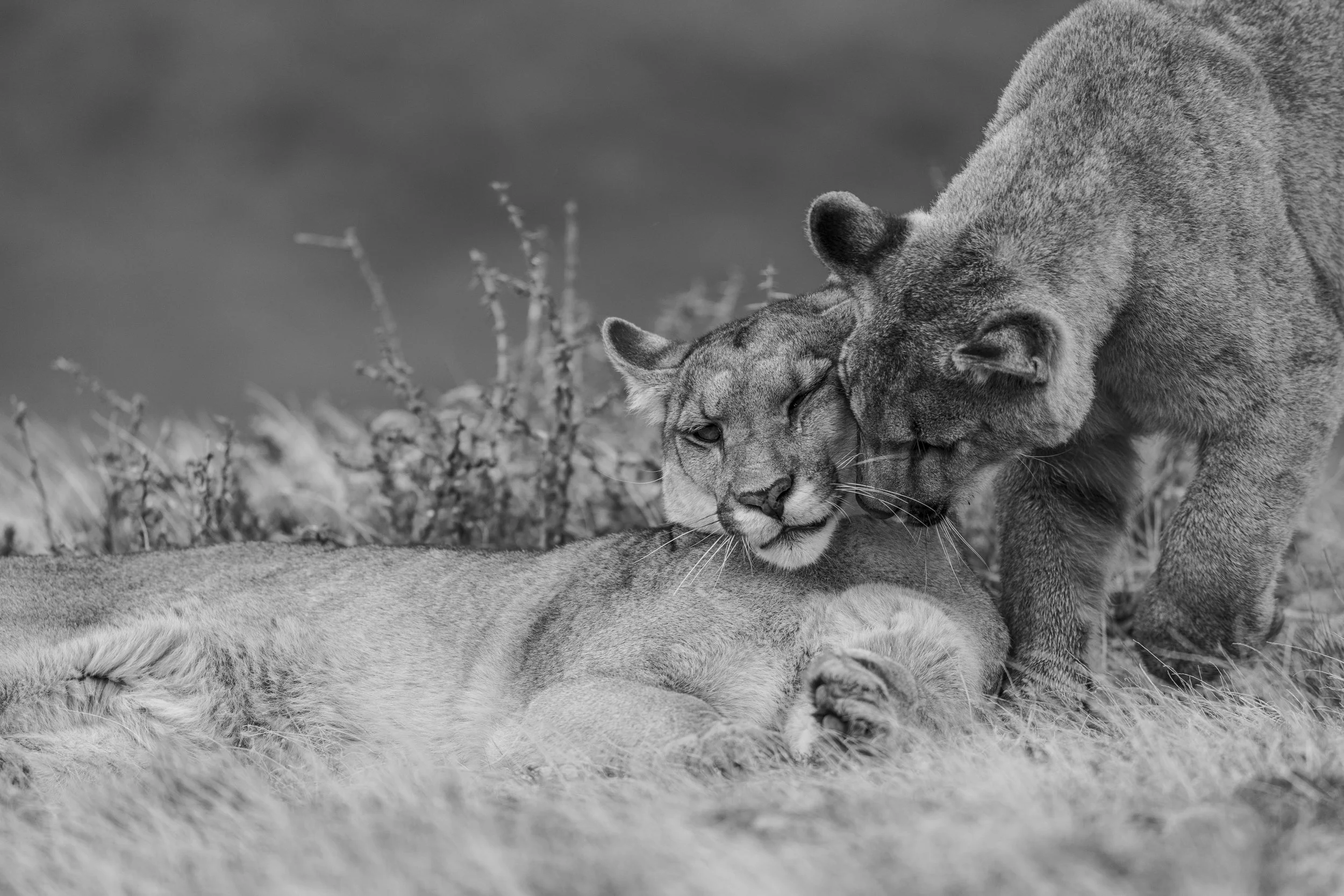
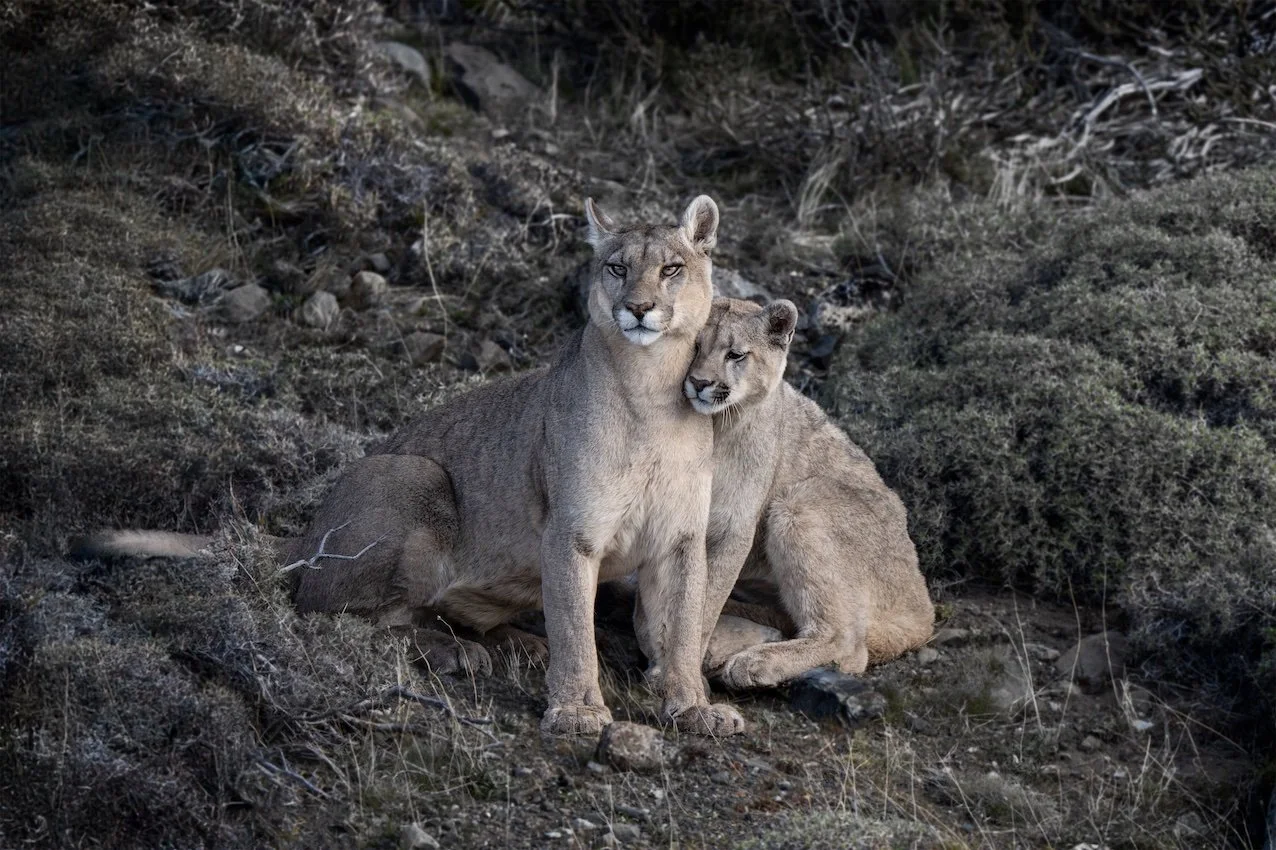
Cristina Mittermeier’s photographs carry a rare kind of presence. Whether she is documenting a lone shark suspended beneath the surface of the ocean, a puma and her cub resting in Patagonia, or the quiet rituals of coastal communities, her images feel immersive, intimate, and deeply alive.
Long before she became one of the most recognizable voices in contemporary conservation photography, Mittermeier trained as a marine biologist in Mexico, a background that continues to shape the way she approaches image-making today. Science taught her how ecosystems function. Photography gave her a way to make people care.
That balance between beauty and urgency is what makes her work so compelling. A flamingo reflected in still pink water becomes a meditation on fragility. A lone shark suspended beneath an endless blue ocean feels almost spiritual. A puma nuzzling her cub in Patagonia suddenly looks startlingly familiar, reminding us how deeply emotion exists across species.
What separates Mittermeier from many wildlife photographers is her ability to make nature feel personal rather than distant. Her photographs are deeply human. Even when no people appear in the frame, humanity is always present in the questions the work asks: What are we protecting? What are we losing? What does coexistence actually look like?
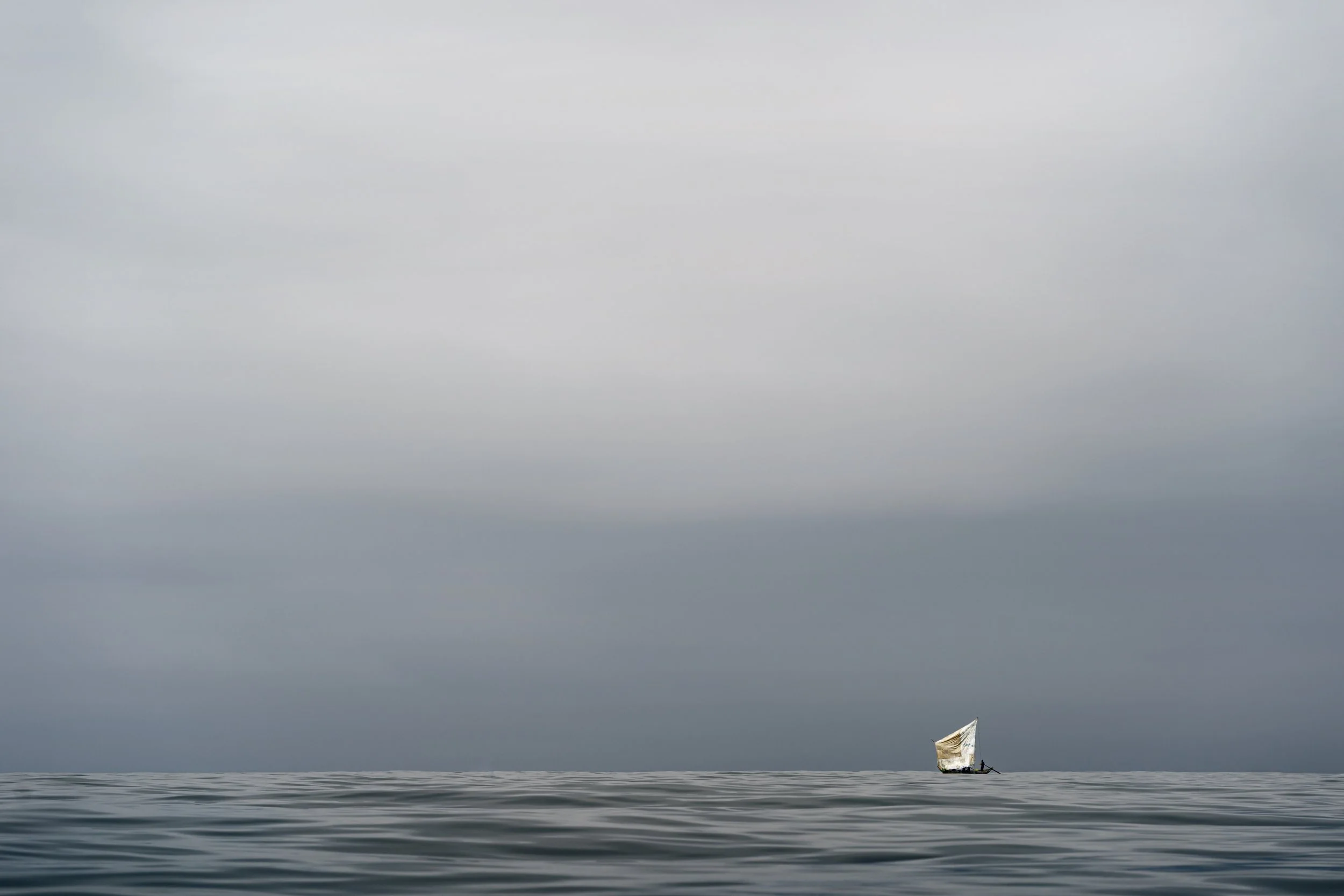
There is also an unmistakable sense of patience in her work. You feel it in photographs like Heavenly, Virtuous, and Miracle, where three young surfers stand perfectly still as waves dissolve around them in soft motion blur. Or in Golden Hour, where a tiny blue dhow drifts across molten gold water off the coast of India, transforming an ordinary fishing scene into something cinematic and dreamlike. These are not images made by someone chasing spectacle. They are images built through observation, stillness, and trust in the moment unfolding naturally.
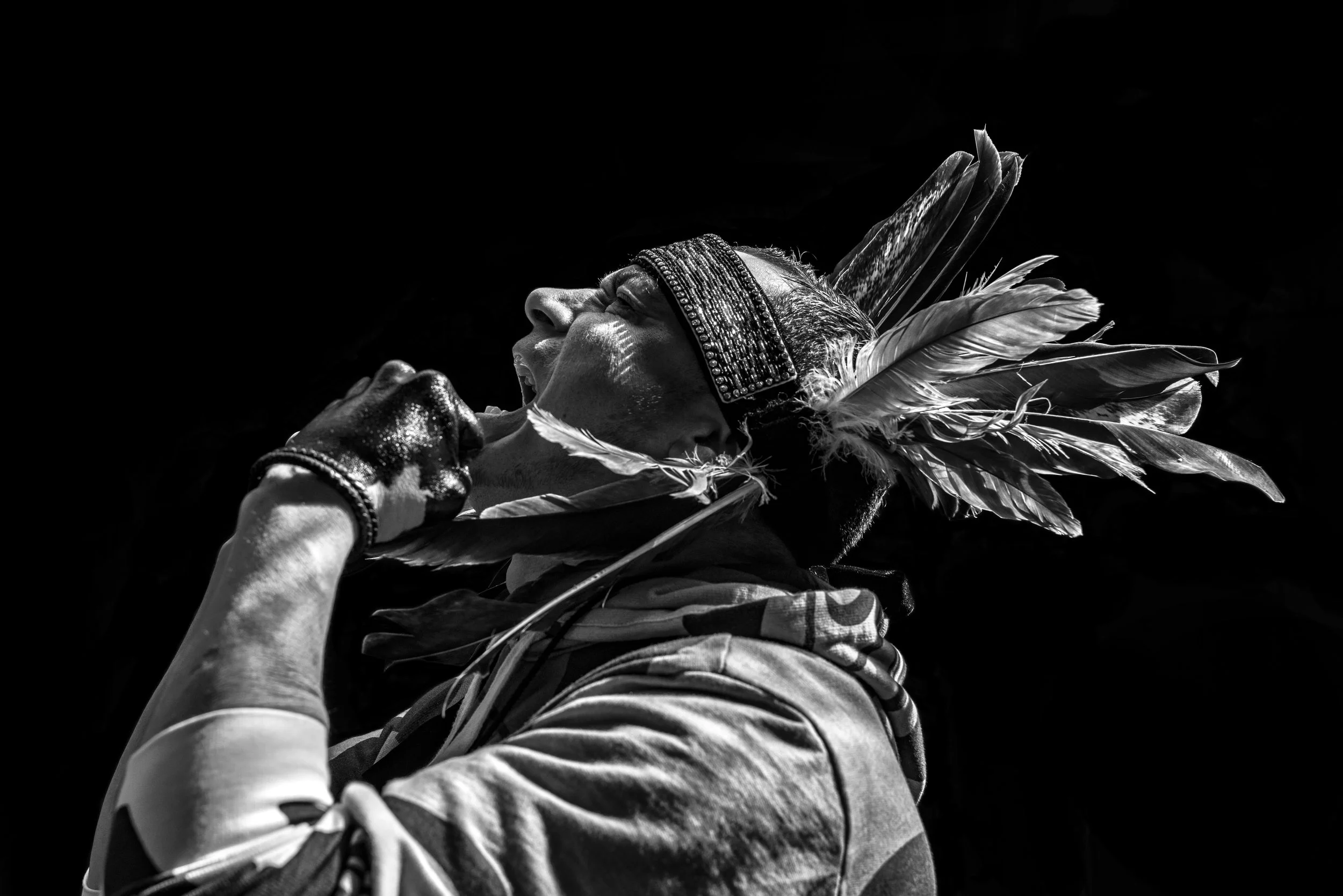
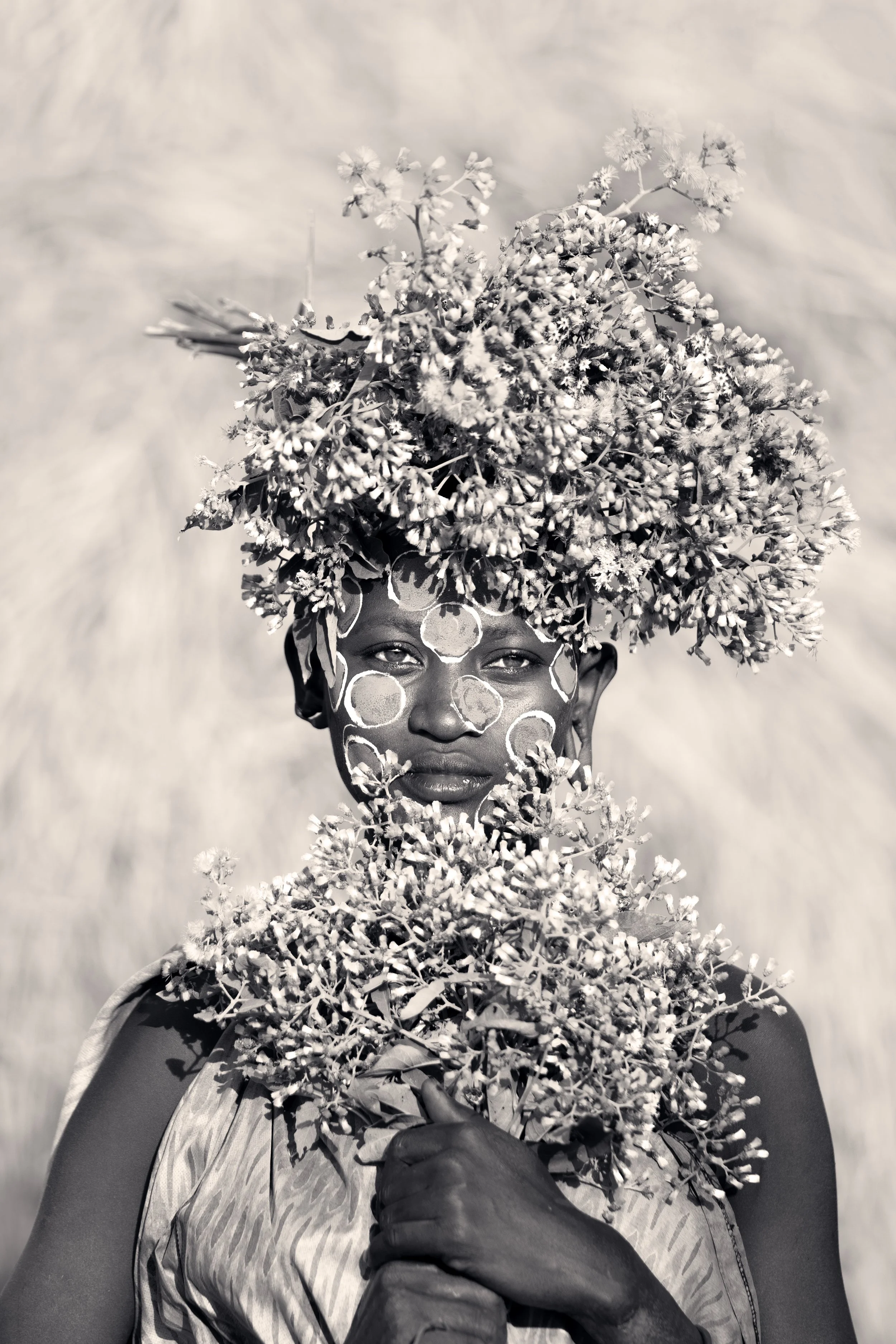
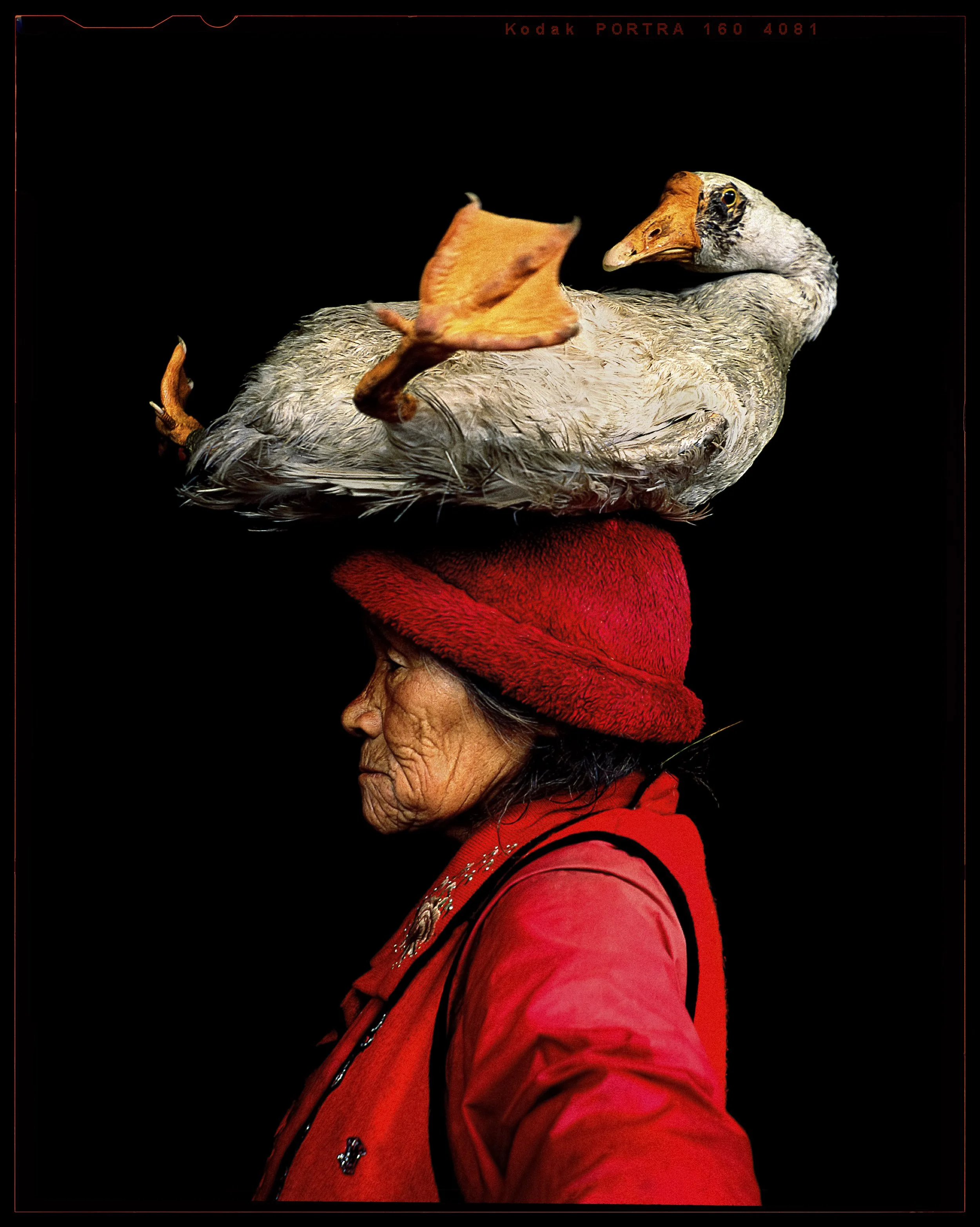
Her portraiture carries the same emotional weight. In Bloom Keeper, a young Suri woman from Ethiopia’s Omo Valley appears adorned with flowers and painted markings that speak to lineage, femininity, and cultural memory. In Guardian of the Watchhouse, a Tsleil Waututh protector throws his voice skyward in an image that feels less like a photograph and more like a collective cry for survival. Mittermeier understands that conservation is never only about animals or landscapes. It is also about people, tradition, and identity.
Perhaps that’s why her work resonates so strongly with collectors today. These photographs do more than document. They hold atmosphere. They ask for emotional participation. They stay with you.
Visually, her work moves effortlessly between cinematic color, stark black-and-white compositions, and softer tonal studies that almost resemble paintings. Yet regardless of style, there is always clarity in her point of view. Nothing feels overly manipulated or performative. The images breathe.
In an era where nature photography can often feel oversaturated or purely decorative, Cristina Mittermeier’s work stands apart because it carries genuine purpose without sacrificing beauty. She reminds us that photography can still function as witness, storytelling, art object, and call to action all at once.
At 1905 Contemporary, we are proud to present a curated selection of Cristina Mittermeier’s work, from intimate wildlife portraits to expansive seascapes and powerful cultural narratives. Each image offers not only a glimpse into the natural world, but a deeper reflection on our place within it.