Helmut Newton and the Performance of Power
There is nothing passive about a photograph by Helmut Newton. Every glance, every posture, every sharply defined shadow feels deliberate, as if the photograph is less a moment captured and more a performance unfolding.
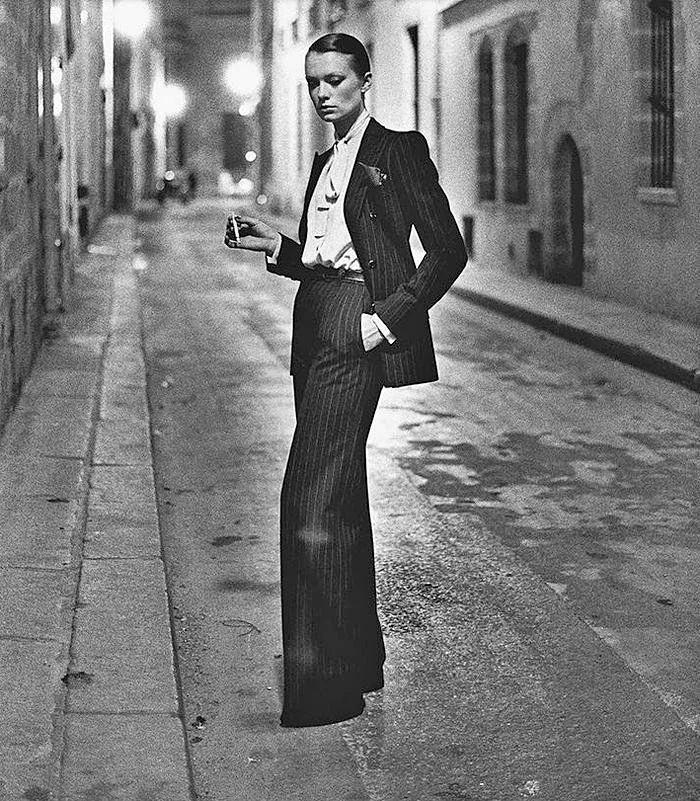
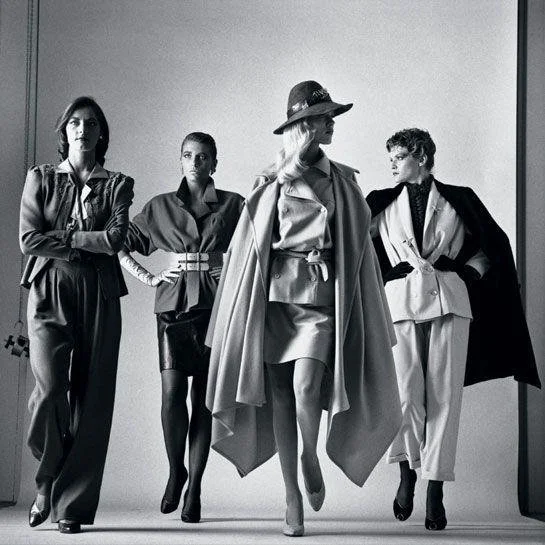
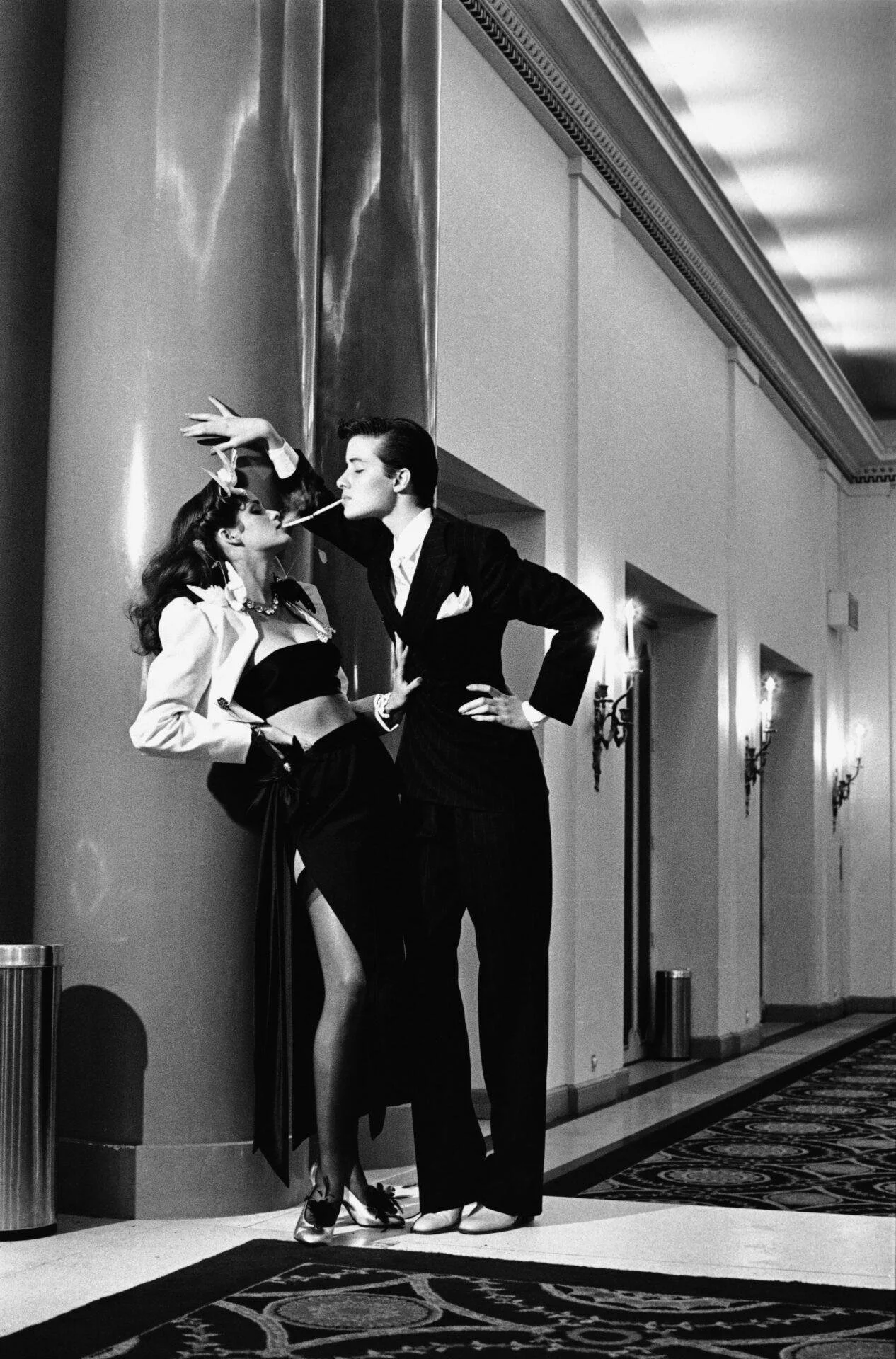
Working primarily from the 1970s onward, Newton redefined fashion photography by introducing a sense of narrative tension that had little to do with clothing alone. His women are not ornamental. They are composed, confrontational, and entirely aware of the viewer. Often dressed in sharp tailoring or nothing at all, they occupy spaces like hotel rooms, city streets, and interiors that feel both intimate and slightly charged. The result is an image that sits somewhere between fashion editorial and psychological portrait.
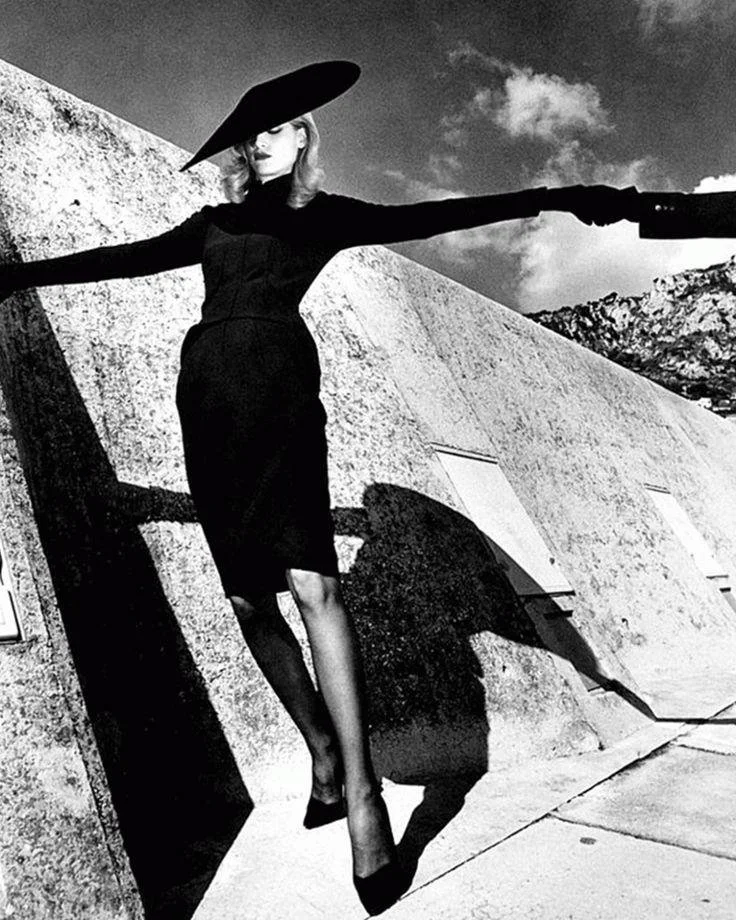
Newton understood that power in an image is not about excess, but about control. His compositions are clean, often minimal, yet never empty. High contrast lighting isolates the figure, elongates the body, and sharpens the mood. What remains is not just a subject, but a presence. The camera does not observe from a distance. It participates.
At the center of his work is a careful negotiation between strength and vulnerability. The women in his photographs are commanding, yet the settings suggest something more complex. A doorway left ajar, a heel mid-step, a gaze that meets the lens without hesitation. These details resist a single reading. Instead, they hold the viewer in a moment of ambiguity, where power is both asserted and questioned.
It is this tension that continues to make Newton’s work feel current. Long before conversations around the gaze and authorship became central to the discourse, he was already constructing images that refused to settle into one interpretation. His photographs invite scrutiny, and in doing so, they stay alive.
Today, Newton’s influence can be felt across contemporary photography, particularly in work that treats the image as a constructed narrative rather than a fleeting instant. The idea that a photograph can carry the weight of a scene, a character, and a point of view all at once is now widely accepted. Newton helped define that shift.
In the end, his work reminds us that photography is not always about what is seen. It is about what is implied, controlled, and left just unresolved enough to keep looking.