

Kate Moss: Muse & Mirror
Few figures in contemporary photography have been photographed as continuously and as variably as Kate Moss. Across more than three decades, her image has shifted shape without losing coherence. She appears raw and romantic, playful and severe, intimate and distant. What remains constant is not a look or an attitude, but an unusual receptiveness to the camera itself. Moss allows space for interpretation, absorbing the vision of the photographer while subtly reflecting it back.
That quality is especially evident in her work with Mario Sorrenti. Their photographs, most famously associated with the Calvin Klein Obsession campaign, carry a closeness that resists performance. Shot during a romantic relationship, the images feel private rather than constructed. Skin is rendered softly, gestures remain unguarded, and sensuality is treated as something lived rather than staged. These photographs marked a cultural shift, redefining intimacy in fashion photography and establishing Kate as a subject capable of holding vulnerability without spectacle.
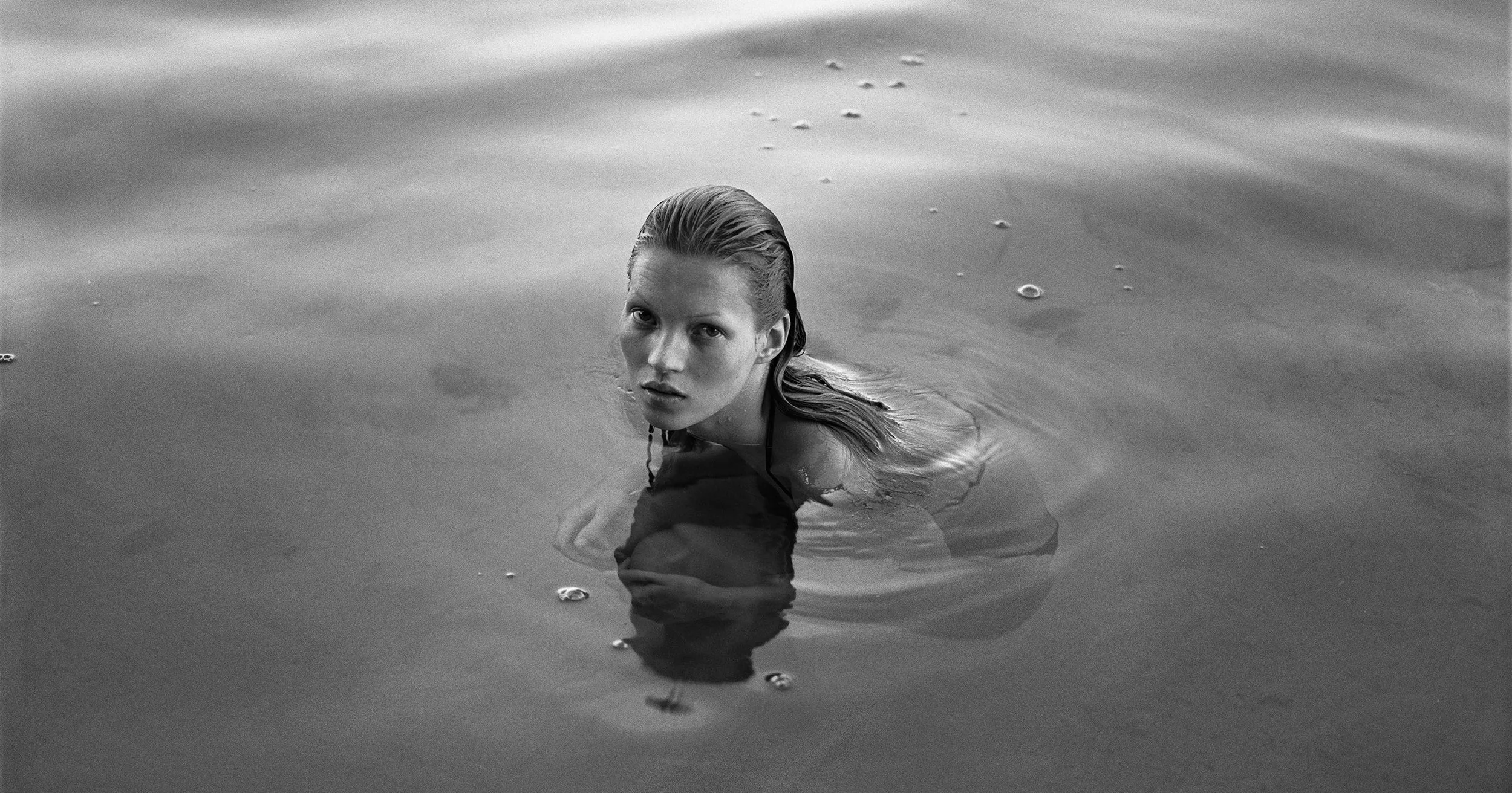
Kate Moss by Mario Sorrenti
With Glen Luchford, her presence moves into a more atmospheric register. Luchford’s images are cinematic and psychologically charged, often suspended between realism and dream. Kate becomes less legible and more symbolic, drifting through shadowed worlds that feel emotionally dense and slightly untethered. Here, the photograph is not documenting a person so much as constructing a mood, with Kate functioning as the conduit through which that mood is expressed.
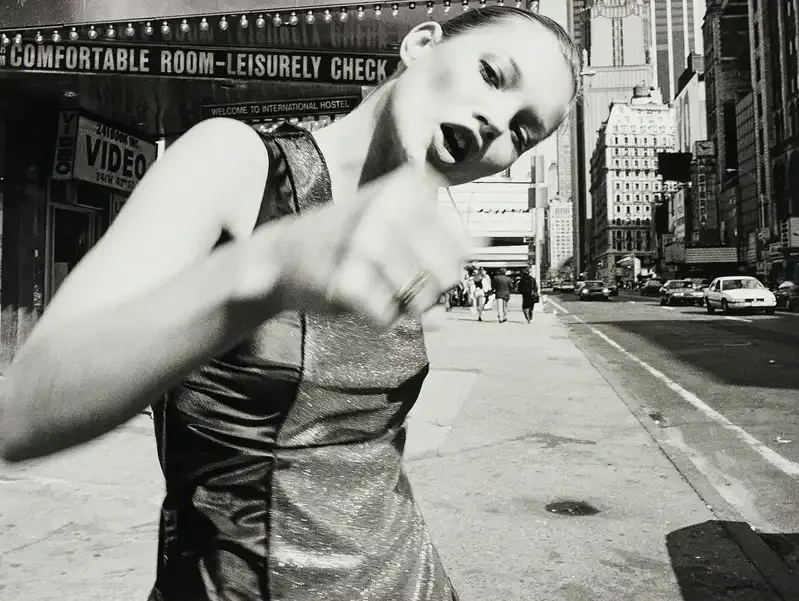
Kate Moss by Glenn Luchford
In contrast, Terry O'Neill photographs Kate with a sense of assuredness that places her firmly within the lineage of cultural icons. Known for capturing musicians, actors, and figures who defined their era, O’Neill presents Kate not as discovery or mystery, but as presence. His portraits emphasize confidence and permanence, situating her within a broader visual history of celebrity rather than the transient cycles of fashion.

Kate Moss by Terry O’Neill
With Bruce Weber, Kate Moss is photographed with a classical sensibility that emphasizes form, stillness, and physical presence. His portraits are calm and assured, drawing on traditions of timeless beauty rather than narrative or provocation. In Weber’s images, Kate appears grounded and self-possessed, situated within a lineage of portraiture that privileges elegance and restraint. The photographs ask her not to transform, but to remain.
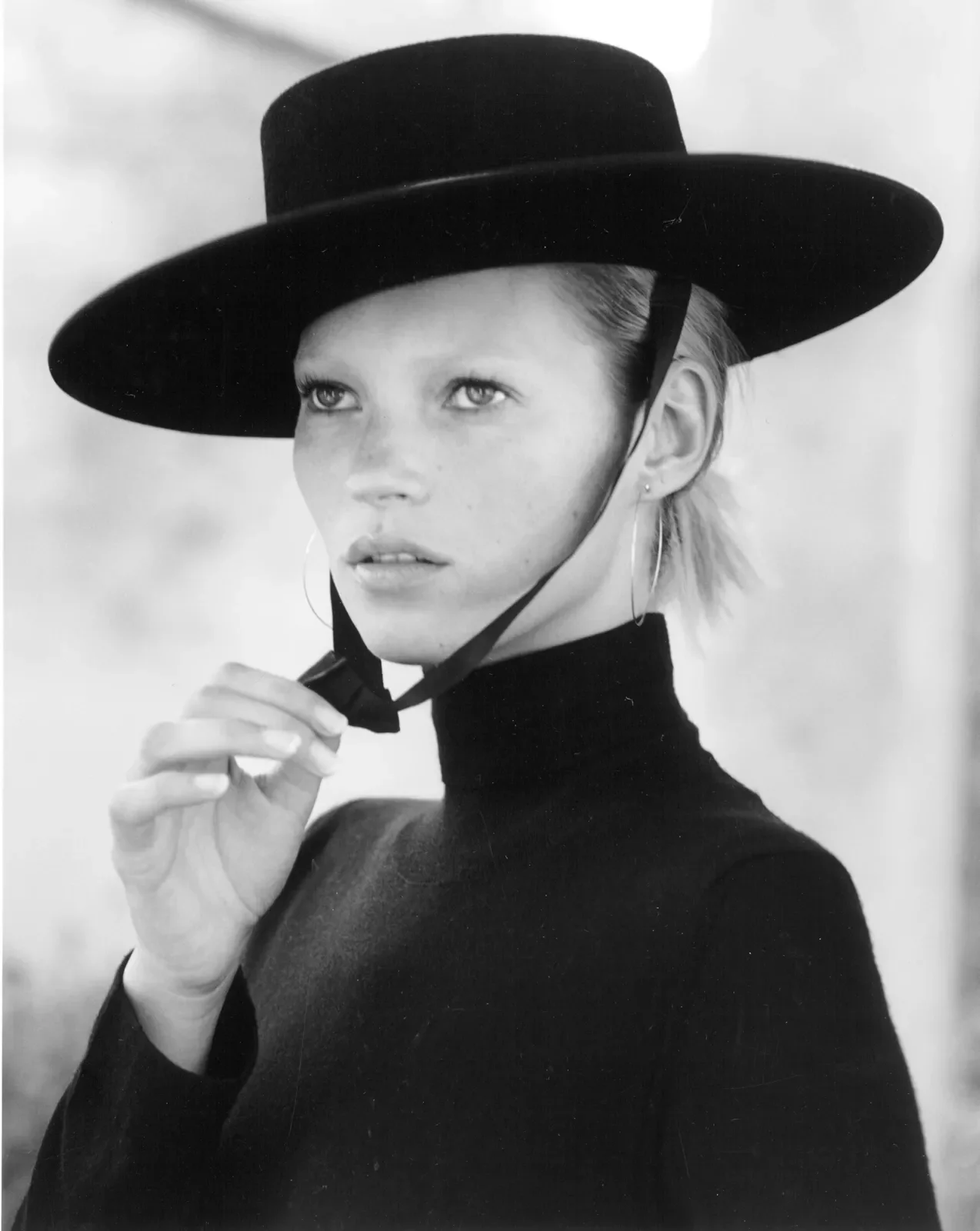
Kate Moss by Bruce Weber
That equilibrium shifts in her collaborations with Ellen von Unwerth. Von Unwerth’s images are playful, flirtatious, and knowingly theatrical. Femininity becomes something active and expressive rather than observed. Kate is not simply being photographed. She is participating, performing, and shaping the image alongside the camera. These photographs feel liberated and self-aware, celebrating confidence without detachment.
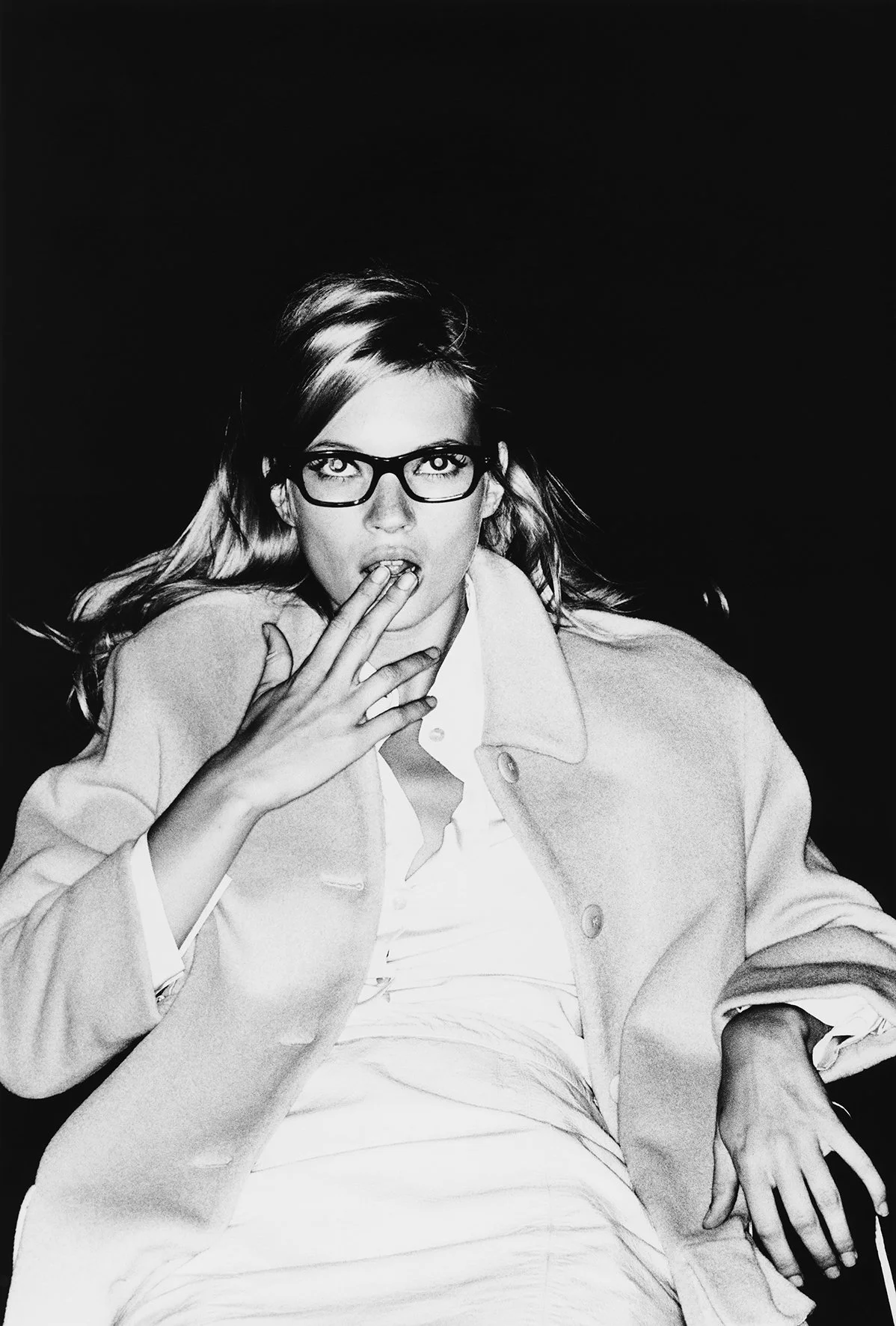
Kate Moss by Ellen Von Unwerth
Underlying all of these interpretations is the foundation laid by Corinne Day. Before the mythology solidified, Day photographed Kate with an unfiltered honesty that rejected the polish of traditional fashion imagery. The early photographs are raw, intimate, and resolutely human. This was not the construction of an icon, but the introduction of a subject who could contain contradiction. Youth and gravity, fragility and resolve, closeness and distance all coexist within the frame.
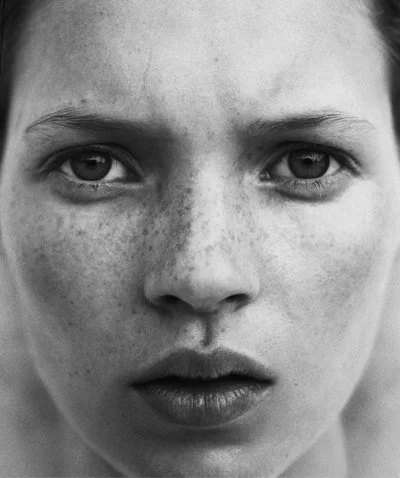
Kate Moss by Corinne Day
Taken together, these images explain why Kate Moss continues to resonate within photography. She is not defined by a single era, aesthetic, or narrative. She remains open to interpretation, shaped by those who photograph her while never fully dissolving into their vision. In this way, Kate Moss functions both as muse and mirror. She reflects the desires, tensions, and sensibilities of the photographer, while allowing viewers to find their own projections within the image.