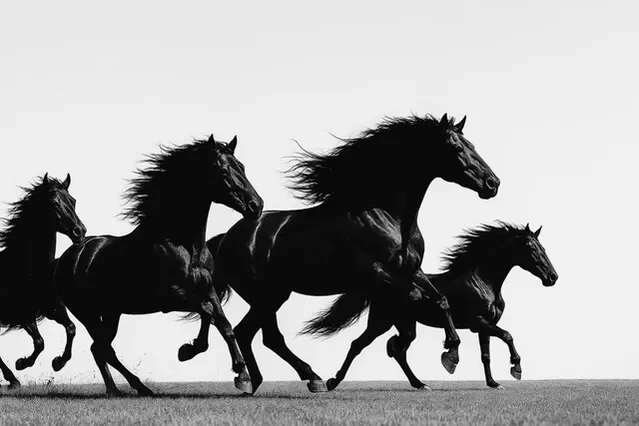
The Year of the Horse: On Power, Form, and the Lasting Presence of Horses in Photography
The horse has long occupied a singular place in visual culture. It represents motion and stillness at once. Labor and luxury. Discipline and instinct. Few subjects carry such layered meaning across history, and few have remained as visually compelling within photography.
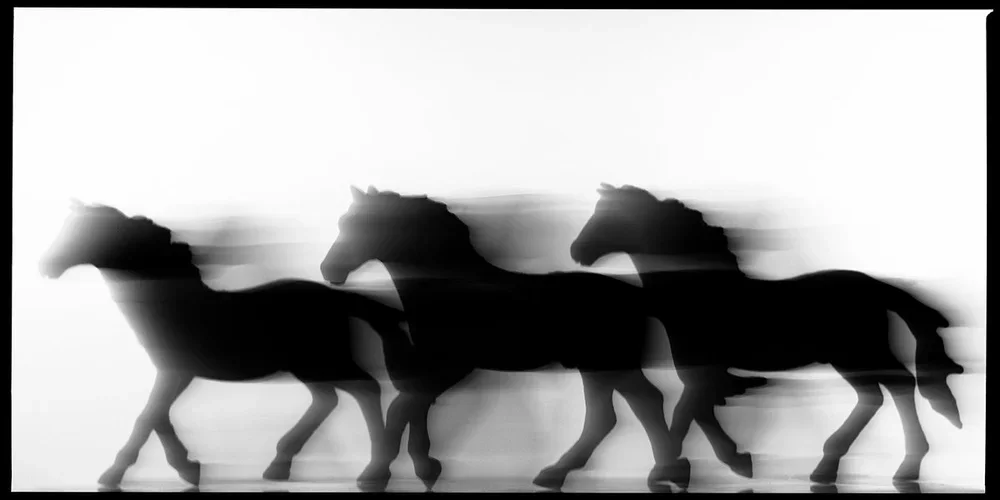
In many ways, the evolution of photography and the horse intersect at a pivotal moment. In 1878, Eadweard Muybridge produced his groundbreaking motion studies of a galloping horse, answering the question of whether all four hooves lift from the ground simultaneously. The project was scientific in intention, yet it revealed something poetic. Photography had the ability to capture what the human eye could not perceive in real time.
Throughout the twentieth century, the horse moved between worlds with ease. It appeared in fashion, documentary, portraiture, and fine art, each time taking on new meaning shaped by context.
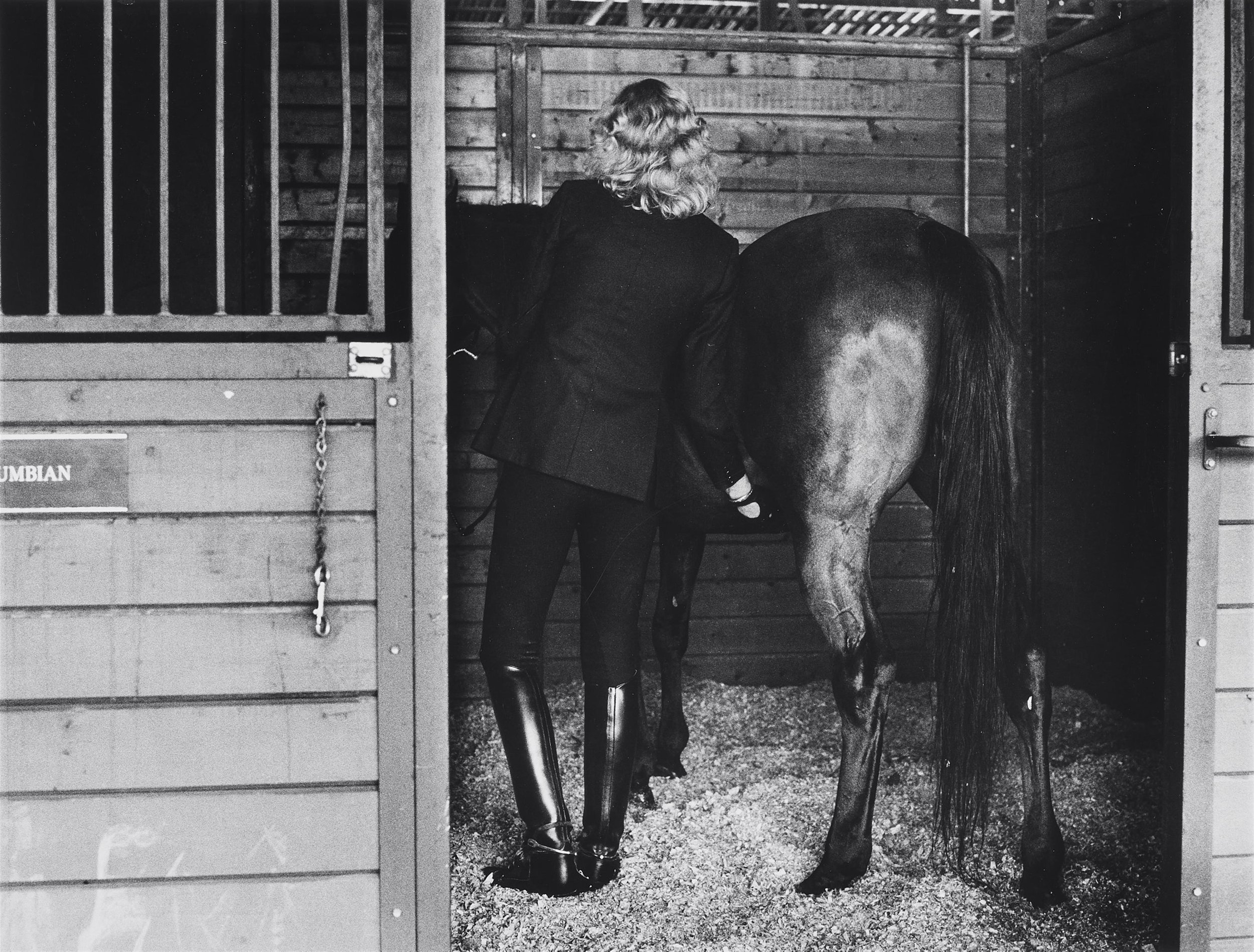
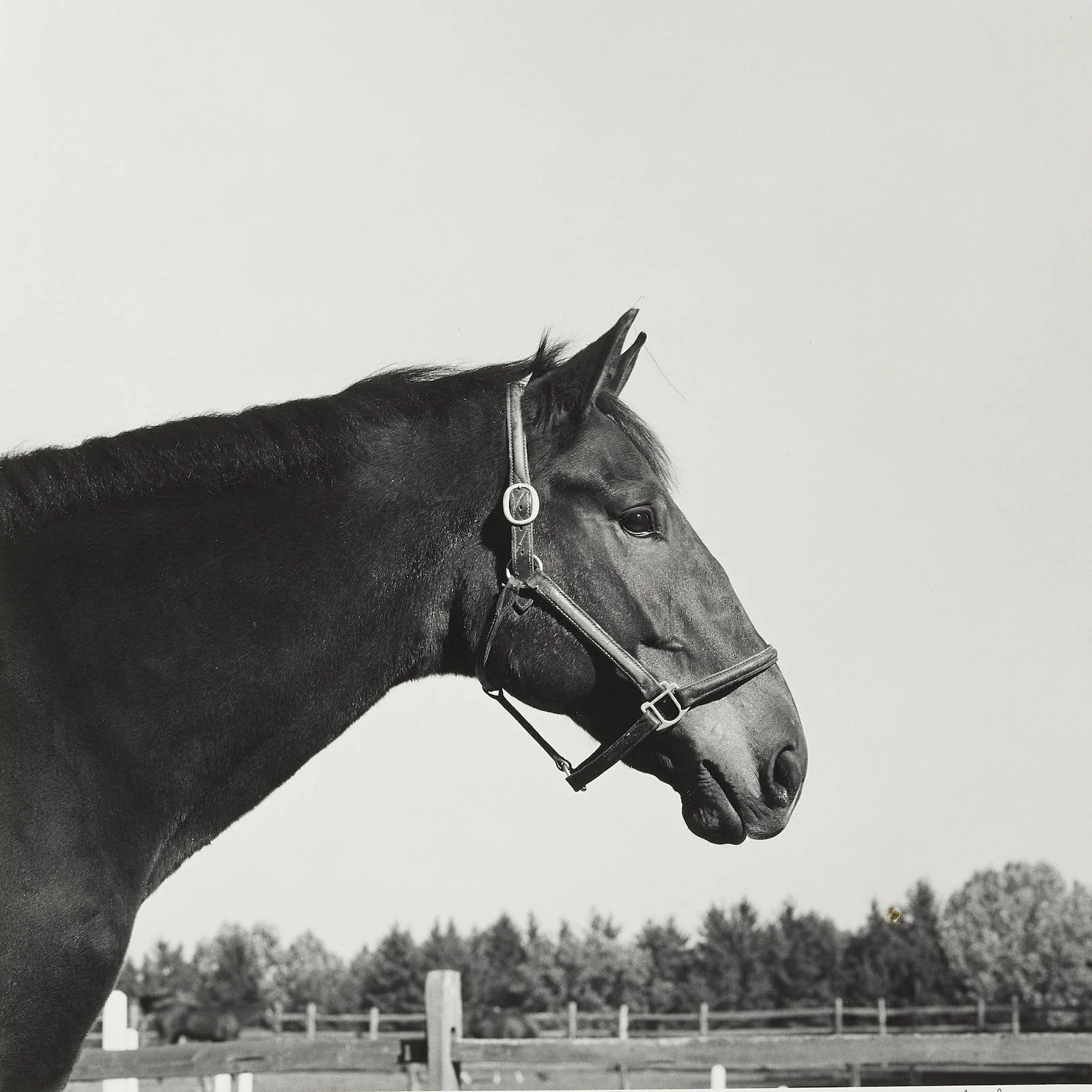
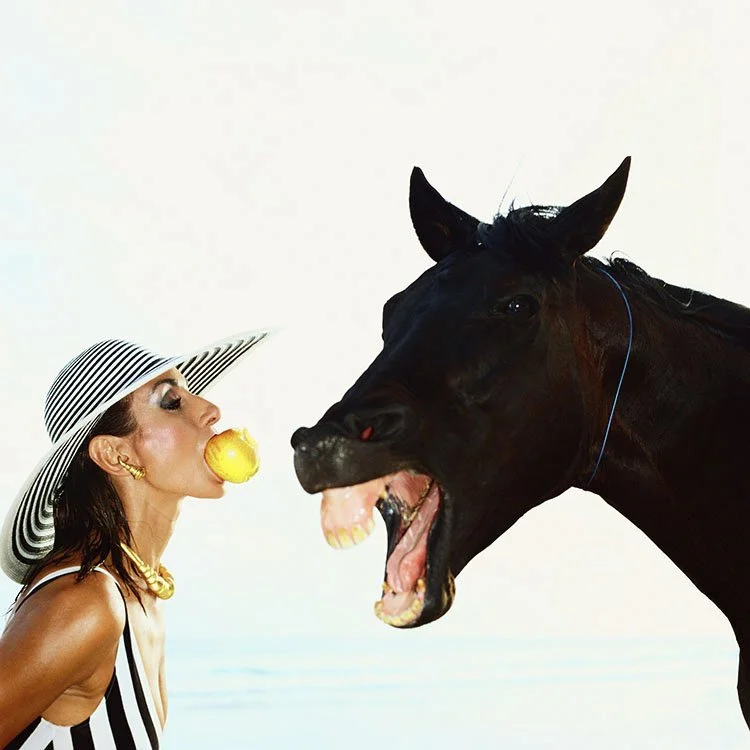
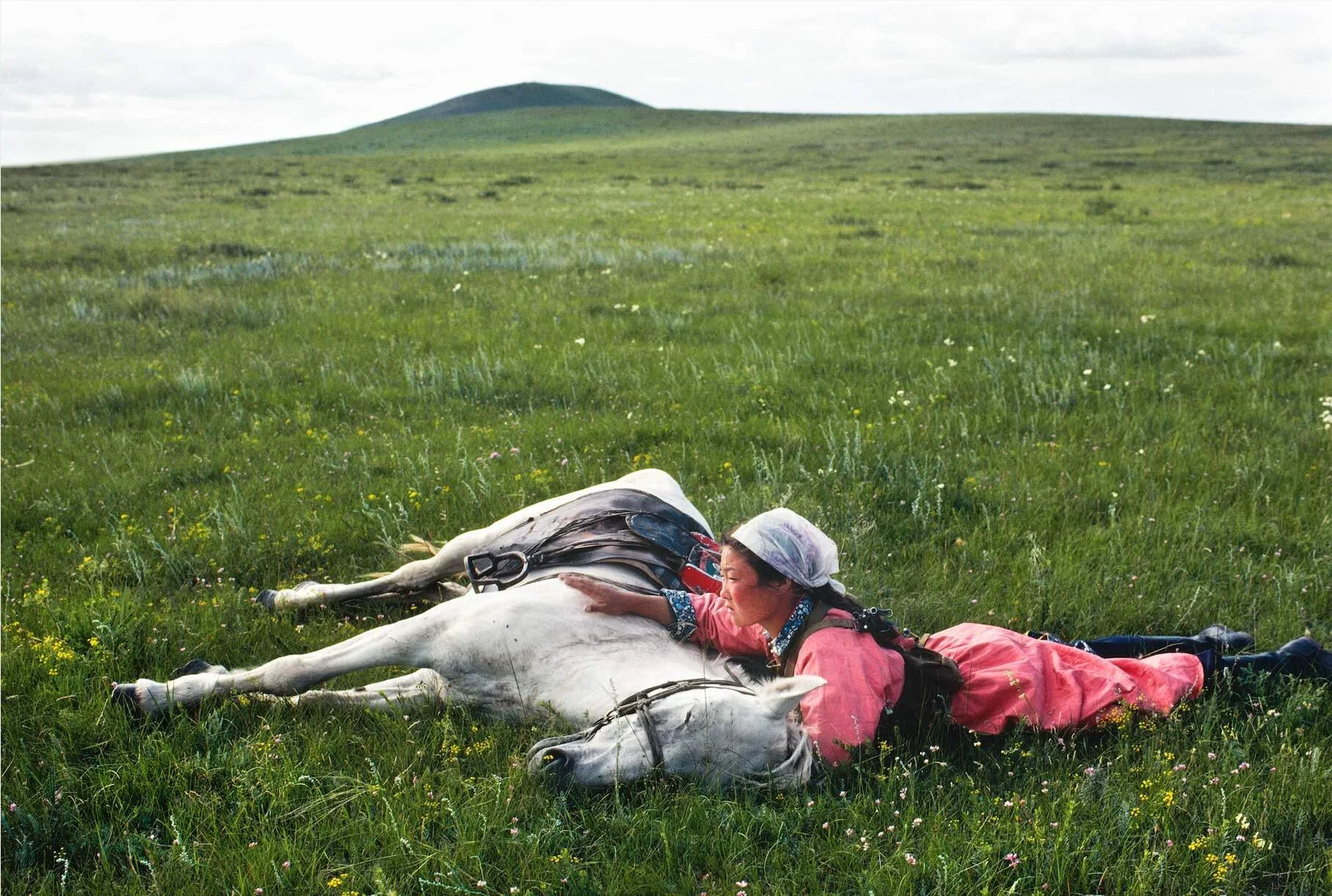
In the work of Helmut Newton, the horse often heightens themes of control, eroticism, and power. Its physical presence amplifies the tension between subject and setting. With Norman Parkinson, the horse expands fashion beyond the studio, introducing landscape, scale, and a sense of effortless glamour. Eve Arnold approached the subject with humanity, grounding it in lived experience rather than spectacle. In the classical compositions of Robert Mapplethorpe, the horse aligns with his ongoing exploration of line, musculature, and sculptural form.
What makes the horse lasting is its inherent duality. It suggests strength yet remains sensitive to its environment. It can signal aristocratic tradition or rural labor. It can feel mythic or entirely contemporary depending on how it is framed. Photographers return to it because it holds narrative weight without needing explanation.
Contemporary artists continue to build on that lineage.
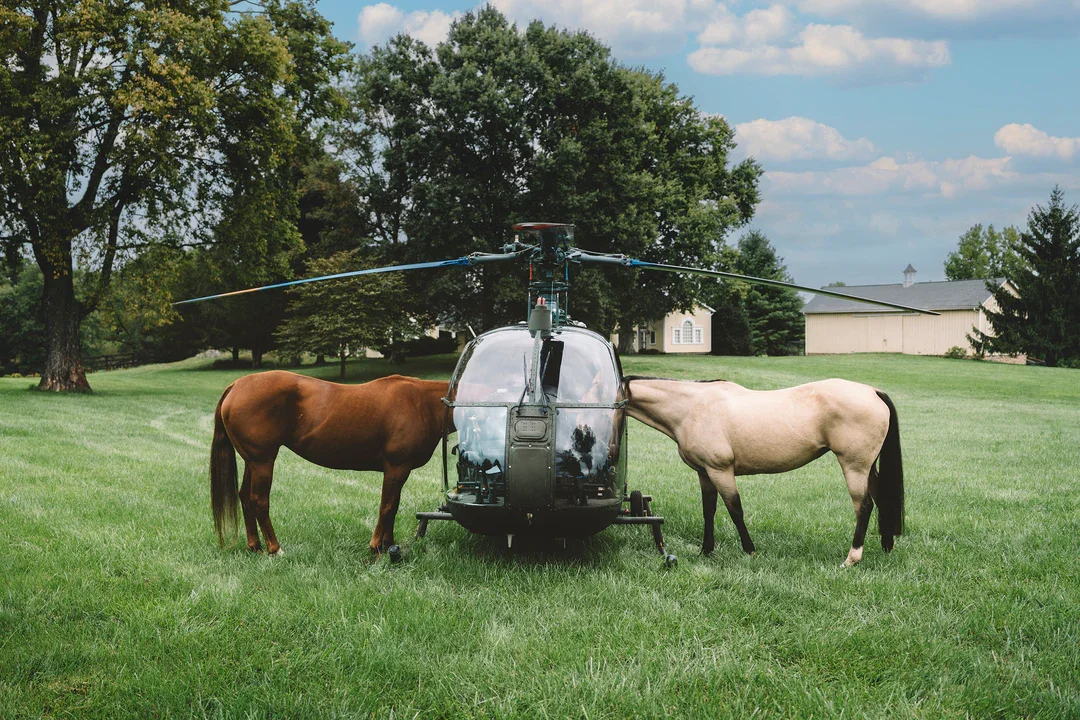
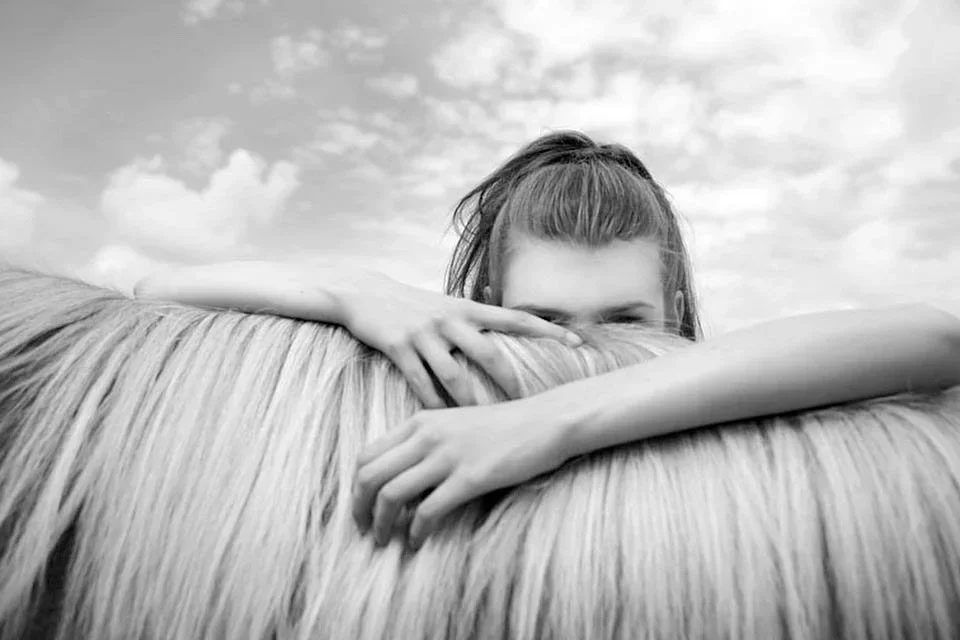
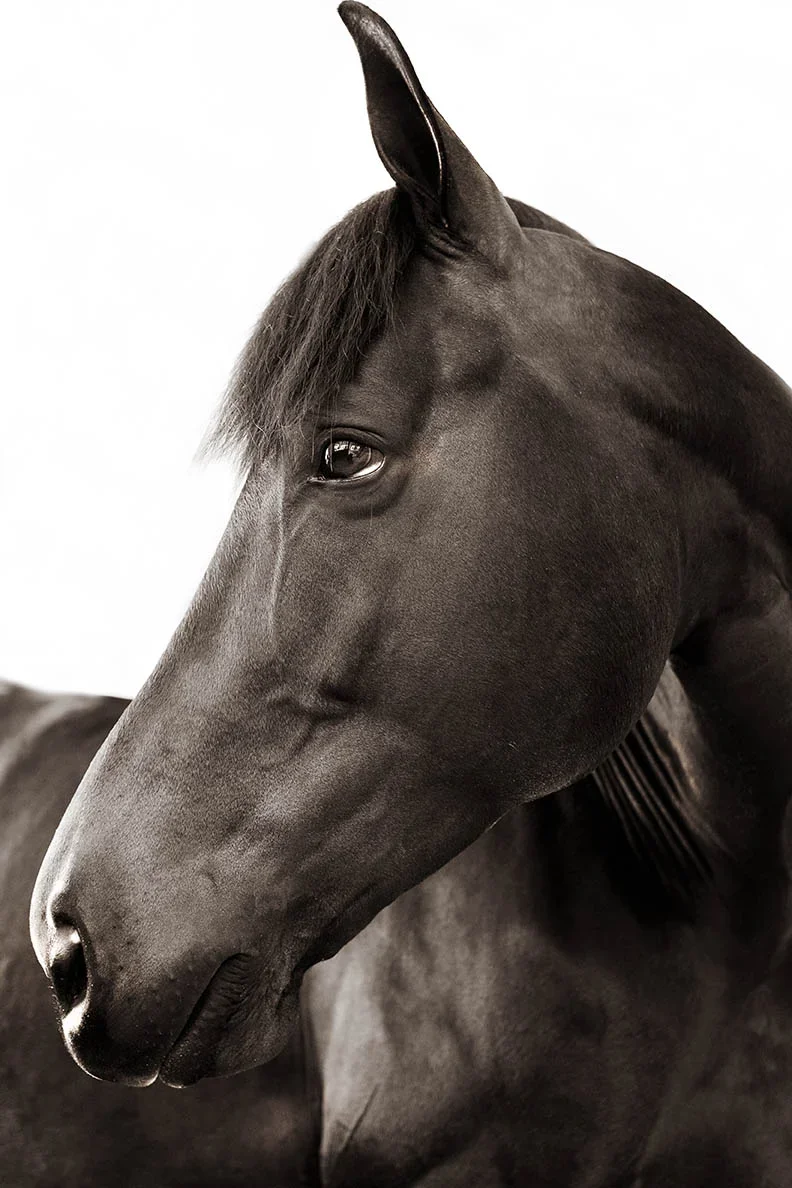
In the romantic lens of Donna DeMari, the horse feels intimate and reverent, softened by light and atmosphere. Within Tyler Shields’ cinematic framing, it becomes part of a larger unfolding narrative, positioned within a world that feels carefully constructed yet emotionally immediate. Nick Mele situates the horse within American social codes, where equestrian culture intersects with leisure, legacy, and identity. Artists such as Toja bring a pared-back, modern sensibility that allows the form itself to hold the image.
To photograph a horse is to engage with presence. The scale of the animal shifts the atmosphere of a shoot. Its movement is precise yet unpredictable. There is a constant negotiation between control and instinct, and that tension often carries into the final image.
In bringing these works together during the Year of the Horse, the focus shifts from symbolism to momentum. The horse in the lunar tradition represents independence, endurance, and forward motion. Photography has long relied on that same energy. From Muybridge’s earliest motion studies to contemporary narrative and fashion work, the horse has propelled the medium into new territory. It continues to represent not nostalgia, but movement.
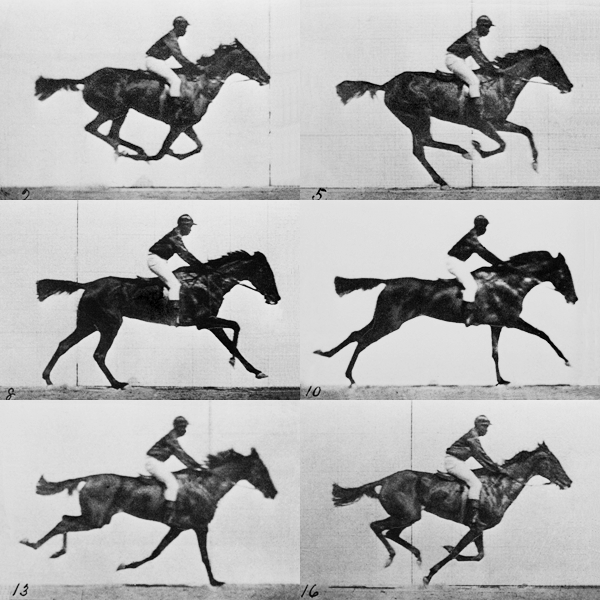
Edward Muybridge
The Horse In Motion