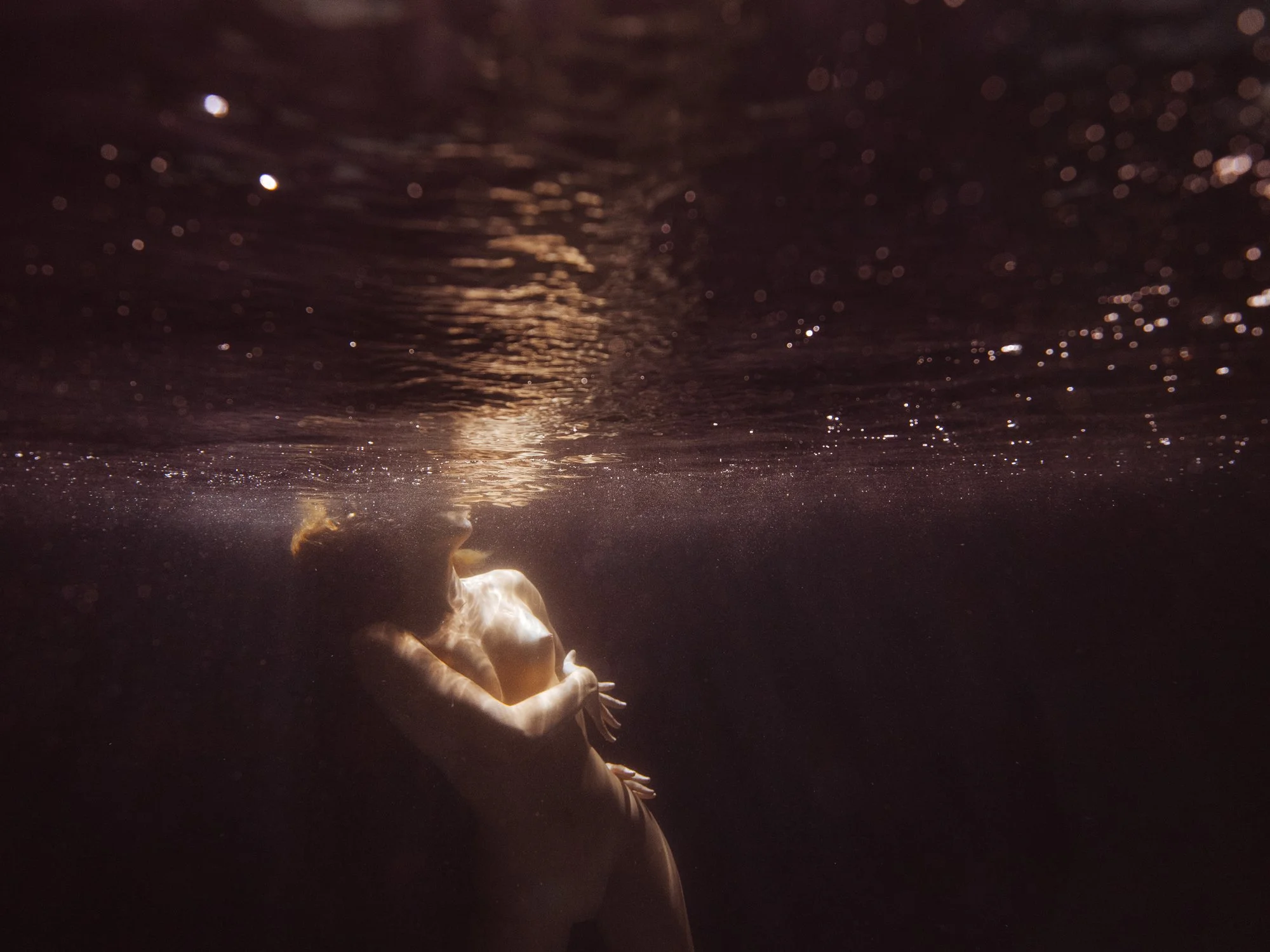
Slowing Down in a Fast Visual Culture
Today, a single device can generate hundreds of photographs in under a minute. Images are captured effortlessly, reviewed instantly, and circulated endlessly. This ease has fundamentally reshaped how photography functions in daily life, expanding both who can make images and how often they are made.
What has not changed is what gives a photograph weight.
A photograph begins as a capture, but it becomes something else entirely through selection. Out of countless frames, one image is chosen. That choice, deliberate and discerning, marks the transition from image-making to authorship. It is the moment when a photograph stops being potential and starts becoming permanent.
Historically, this discernment was inseparable from the medium. Film imposed limits by design. With only a finite number of exposures available, every frame carried consequence. Many of the greats worked entirely within these constraints. Photographers such as Richard Avedon, Irving Penn, and Helmut Newton built iconic bodies of work at a pace dictated by intention rather than volume. The limitation sharpened the eye.
That philosophy continues today. Artists like Tyler Shields remain committed to film, drawn to its unpredictability and the loss of absolute control it introduces. Film allows space for chance, for imperfection, for moments that cannot be engineered. In relinquishing precision, something more instinctive often emerges.
At the same time, many contemporary photographers embrace digital tools not for speed alone, but for their ability to refine and construct. Jeffrey Czum works digitally to reimagine familiar landscapes, using precision and repetition to build scenes that feel both grounded and slightly surreal. Donna DeMari moves fluidly between film and digital, selecting the medium that best serves the emotional register of each image. In both cases, technology is not the point. The point is intention.
Often, that intention begins long before the shutter is released. Time is spent shaping a scene, waiting for light, refining a gesture, or allowing an idea to settle. The photograph may be captured in an instant, but the image itself is rarely instantaneous.
What unites these approaches is not process, but judgment. That judgment becomes most visible in print.
A photograph changes the moment it leaves the screen. Scale, paper, and finish all shape how an image is experienced. A high-gloss print heightens contrast and sharpness, lending a cinematic edge. Matte papers soften tonal transitions, allowing shadows to breathe. Fiber-based papers recall the depth and texture of traditional darkroom printing, while newer archival processes offer remarkable longevity and consistency. The same image can feel entirely different depending on these choices.
Once on the wall, a photograph enters time differently. It is no longer consumed in passing. It is lived with. Light shifts across its surface throughout the day. Details reveal themselves slowly. Meaning accrues.
As photography has evolved technologically, its position within fine art has only solidified. Institutions such as the International Center of Photography and the George Eastman Museum have long championed the medium’s cultural and artistic significance. More contemporary spaces, including Fotografiska, reflect a growing global appetite for photography experienced thoughtfully and at scale.
The market mirrors this institutional commitment. Photographs continue to achieve strong auction results and are actively collected by museums and private collectors alike. What was once considered secondary or infinitely reproducible is now understood as deliberate, finite, and deeply personal.
In a culture defined by speed, the act of slowing down becomes a form of clarity. Choosing a single image. Committing it to paper. Giving it space to exist beyond the moment it was taken.